Alien Worlds

Science-fiction

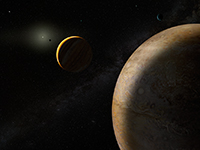
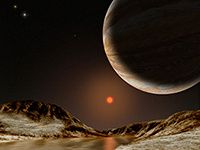
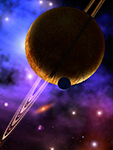
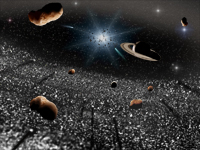
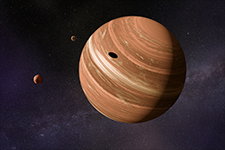
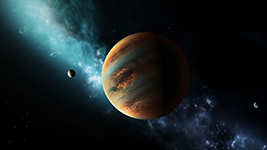
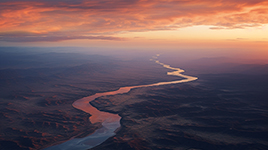
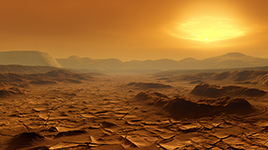
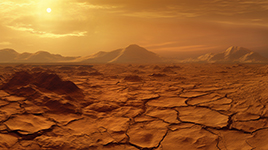
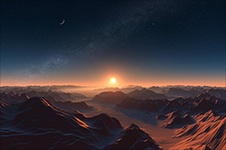
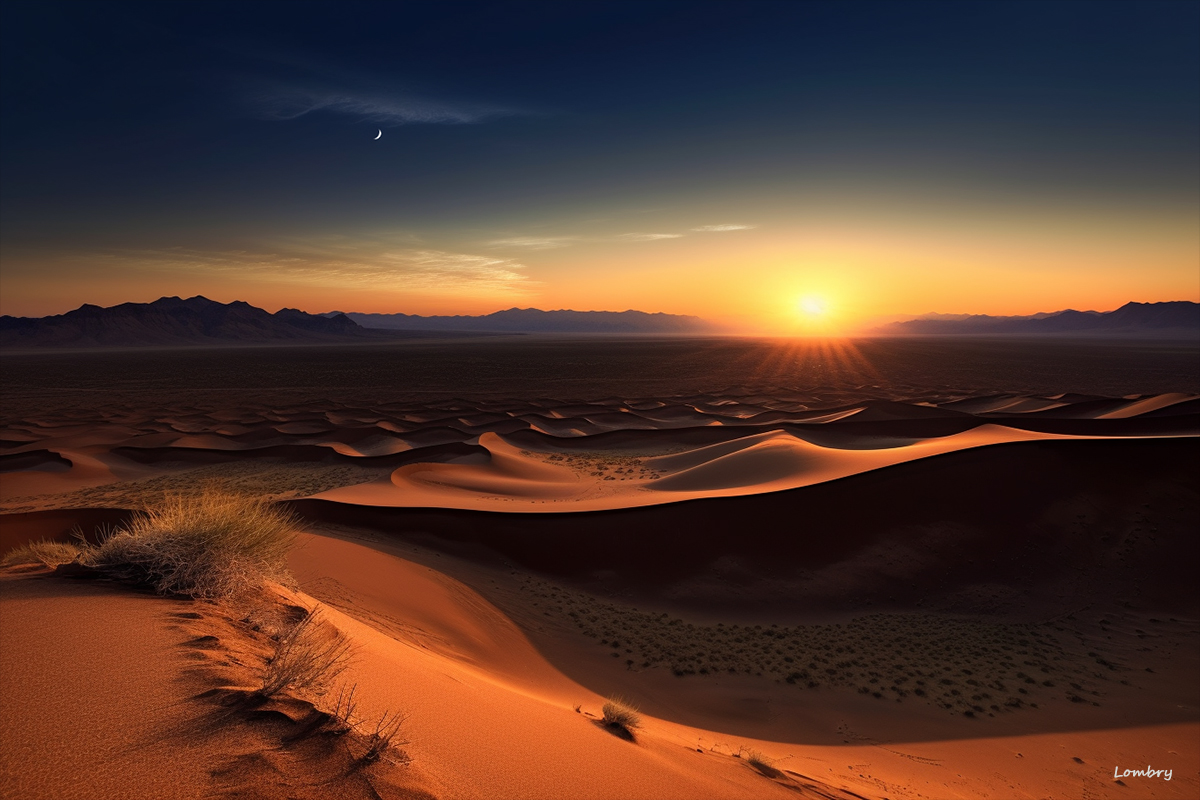
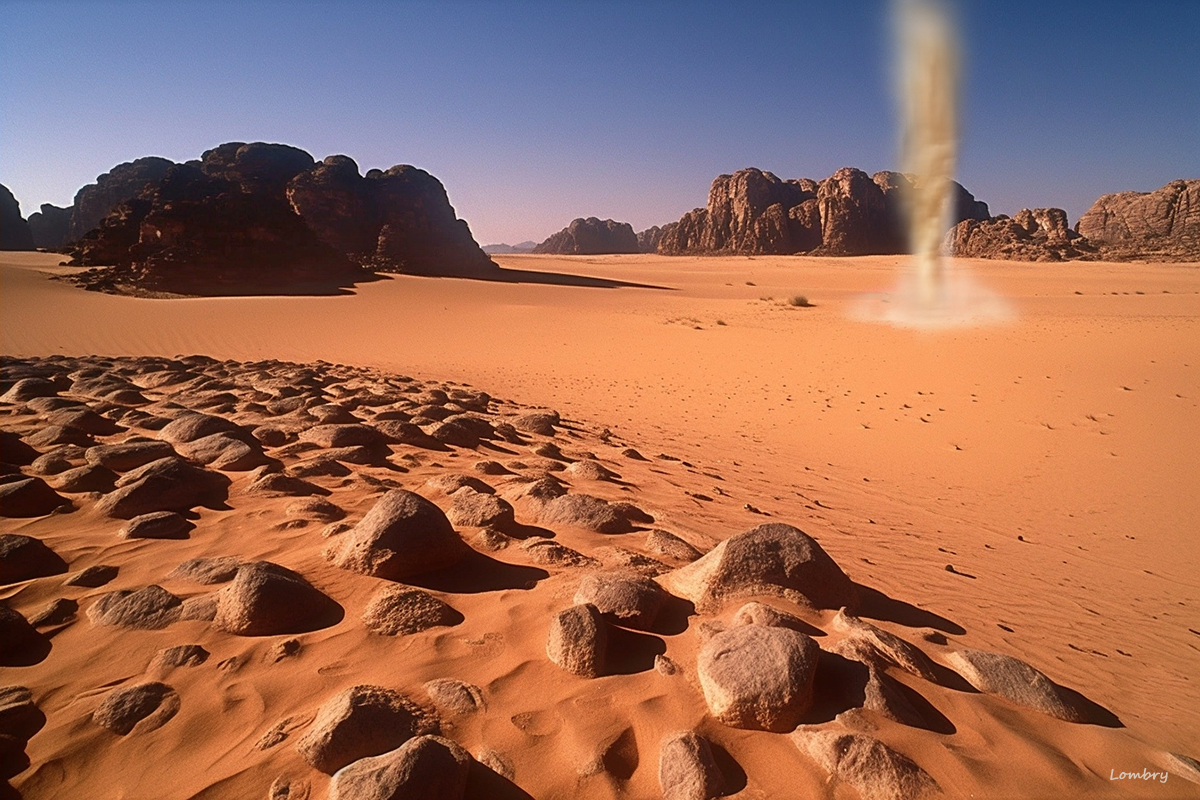
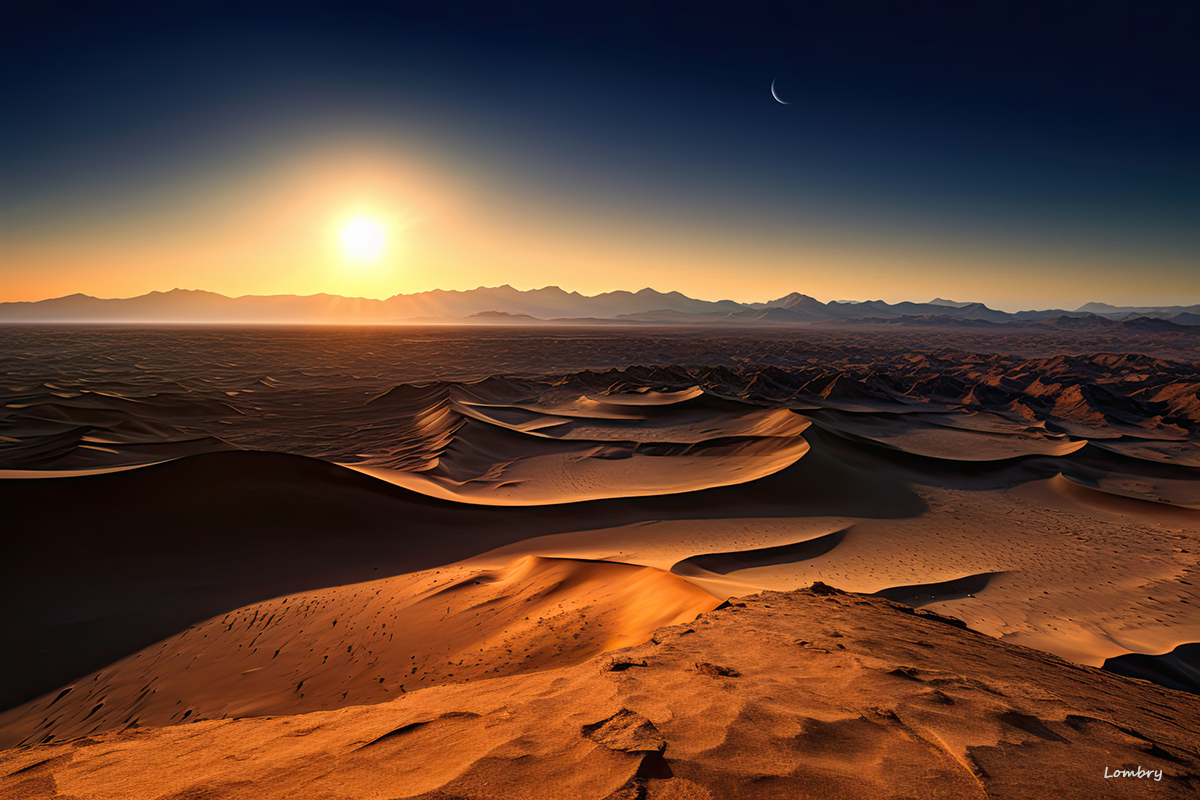
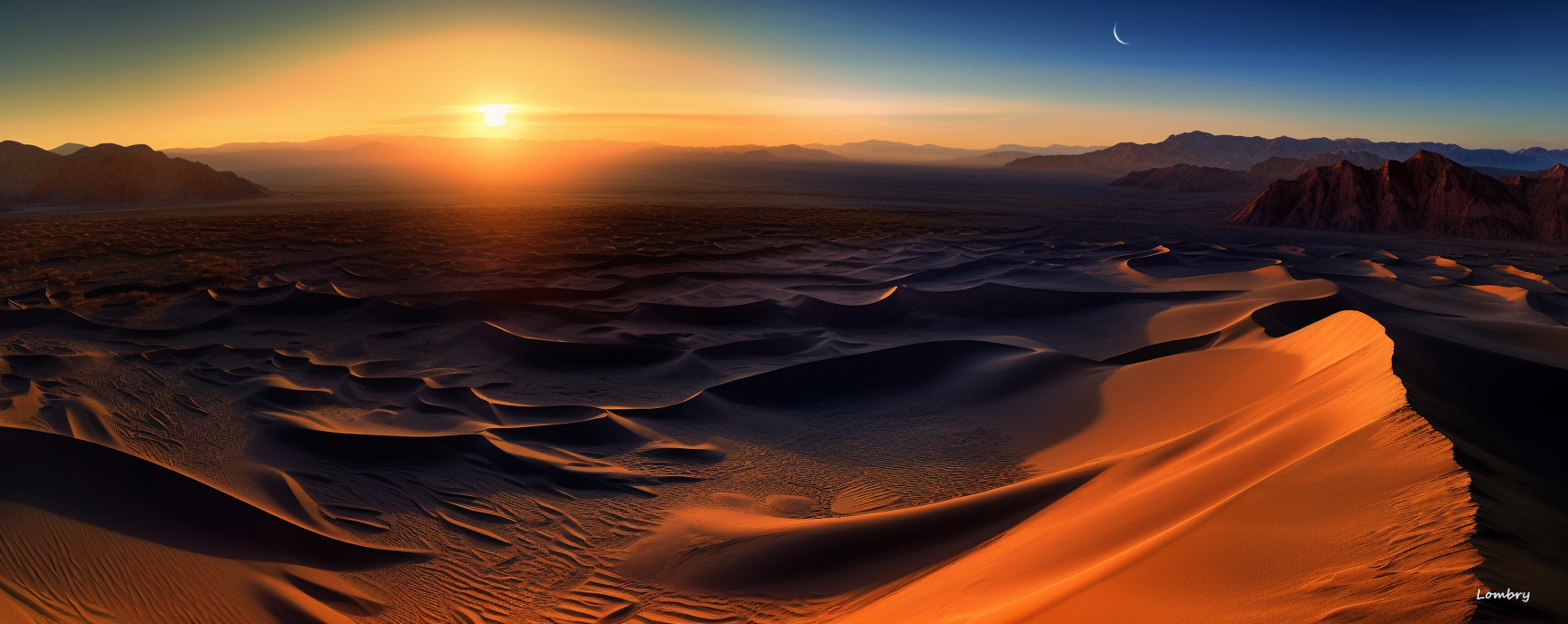
Je vous présente ci-dessous quelques illustrations de paysages extraterrestres. De nouvelles images sont régulièrement ajoutées à cette collection. En passant la souris sur l'image, vous afficherez un commentaire additionnel. Consultez également la gallerie Terragen et mes Illustrations.

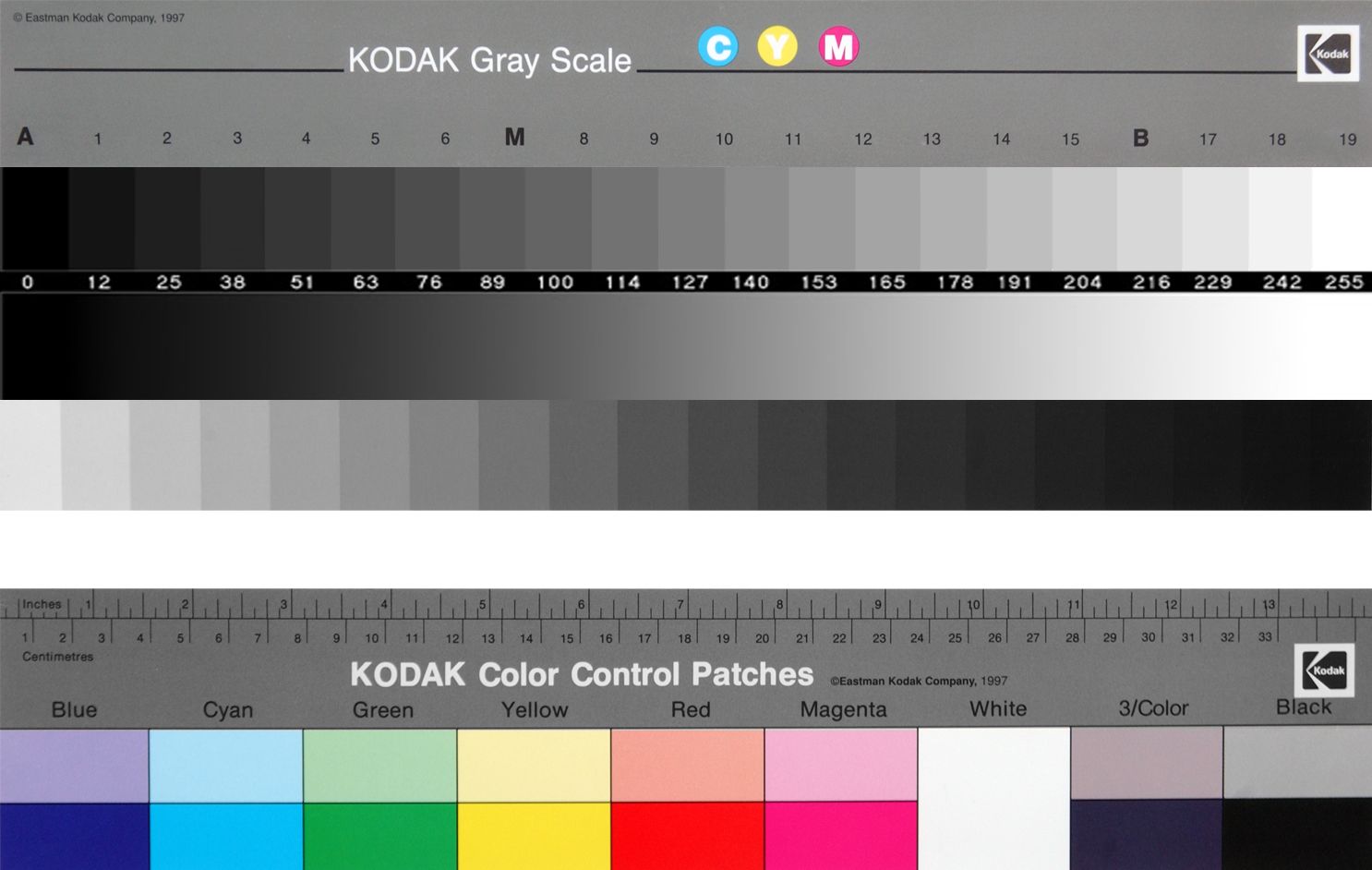
Voyez cette page pour ajuster la luminosité et le contraste de votre écran.

Si vous désirez acheter ces illustrations uniques je vous les propose au format électronique ou sur papier jusqu'au format 50 x 70 cm.

Science fiction

I present you below some illustrations of alien worlds. New images are regularly added to this collection. Passing the mouse over the image, you will display an additional commentary. See also the Terragen gallery and my Illustrations.

Check this French page to adjust your screen luminosity and contrast.

If you want to purchase these unique illustrations I offer you them in electronic format or on paper up to 50 x 70 cm (20 x 27").

Check the FAQ for commercial issues.

Consultez la FAQ pour les questions commerciales.

Ces images sont protégées par le droit d'auteur

These images are protected by copyright.

Updated : 09/2008

"Very nice website, packed with many great images and information"

Pat Rawlings, NASA illustrator.

Peculiar Celestial Objects

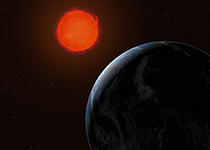
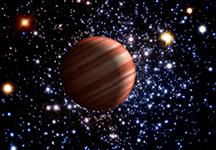
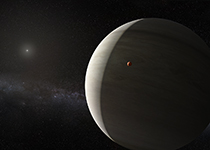
Gliese 229b is a brown dwarf star discovered in 1995. It shows strong absorption lines of methane that only exists below 1200 K. 20-50 Mj, 44 AU of the host star M1 V (distance to Pluto). Located at 21.8 l.y.

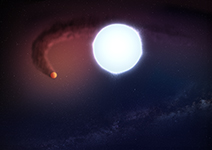
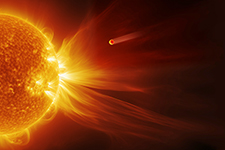
Located at 5200 l.y., a white dwarf star circles a M2 giant red star. The dwarf star could explode in supernova if its nuclear mass exceeds about 1.4 Ms. It is already surrounded with gas.

Albireo and its distant companion. Beta Cygni is a visual binary system located at 386 light-years, it is a red giant star, K3II, Mv=3.08, 4100 K, 20 Rs, 100 Ls. Companion B is at 34.3" or 4040 AU away (orbital period 7270 years)  is a B8V star, 12000 K, Mv=5.11, 3 Rs, 175 Ls.

Brown Dwarf Gliese 229B

RS Ophiuchi

Albireo, b Cygni

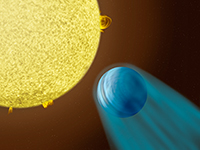
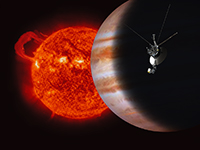
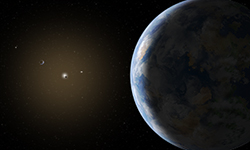
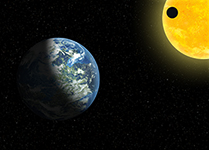
The future red giant Sun will be 1500 times more luminous and 50 larger than the actual sun (displayed as the small yellow dot upper right).

The future red giant Sun will be 2349 times more luminous and 50 larger than the actual sun (displayed as the small yellow dot upper right).

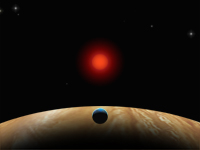
The future red giant Sun will be 2349 times more luminous and 50 larger than the actual sun. The Moon is still there but a bit more distant to Earth.

Red Giant Star

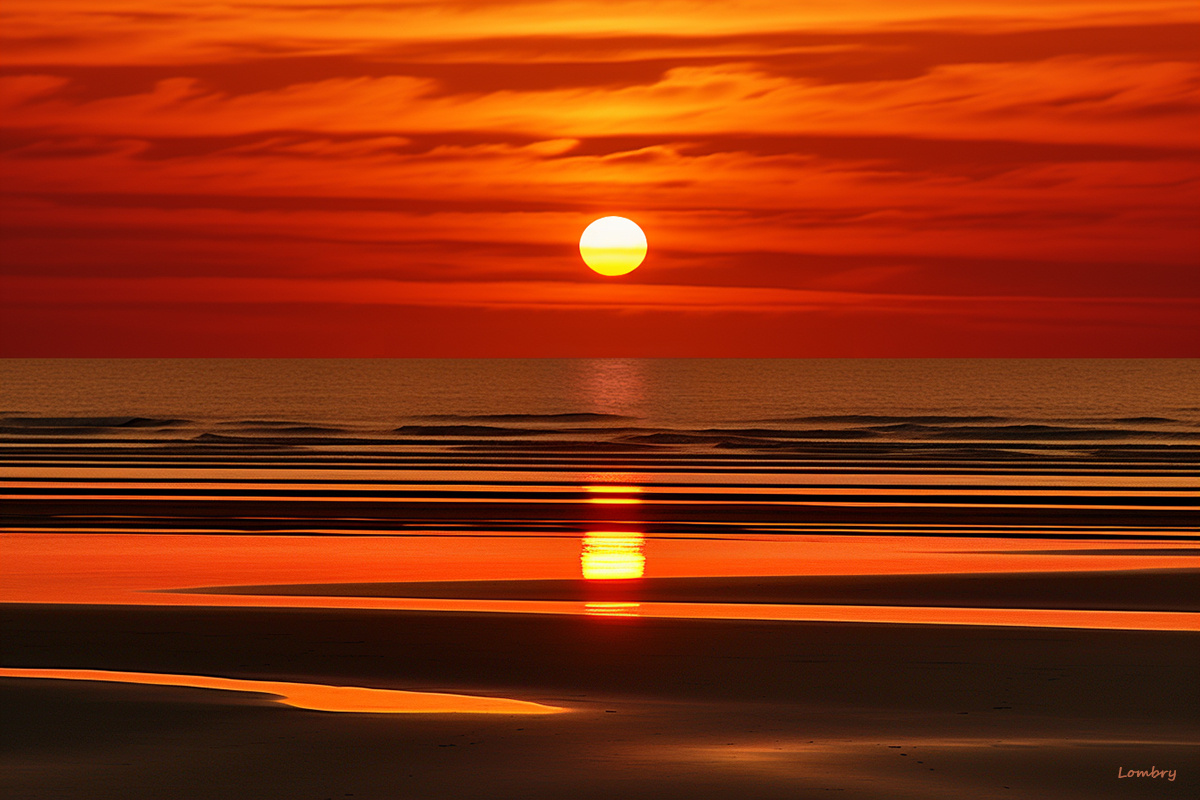
Sunset of a Red Giant

Red Giant Sun and Moon

Microquasar LS 5039. A blue hot star siphoned by a black hole.

GRS1915+105 is a Nova X probably orbiting a black hole of 10 Ms. It is ejecting matter at relativistic speed at distance over 10000 AU or about 57 light-days.

Rigel, beta Orionis, is a super luminous blue giant star. It is also a triple system of blue stars : Rigel (B8 Ia star) and a binary system orbiting at 2000 AU or 11.5 light-days constitued of Rigel B (B5, 2.5 Ms, Mv 10.4) and Rigel C (B9V, 1.9 Ms, spectroscopic binary) in orbit one another at 29 AU.

Microquasar LS 5039 Scutum

GRS 1915+105, Nova X

Rigel,b Orionis

Black hole

Mini black hole

Spinning Black Hole

Mini Black Hole

Born in the Lagoon

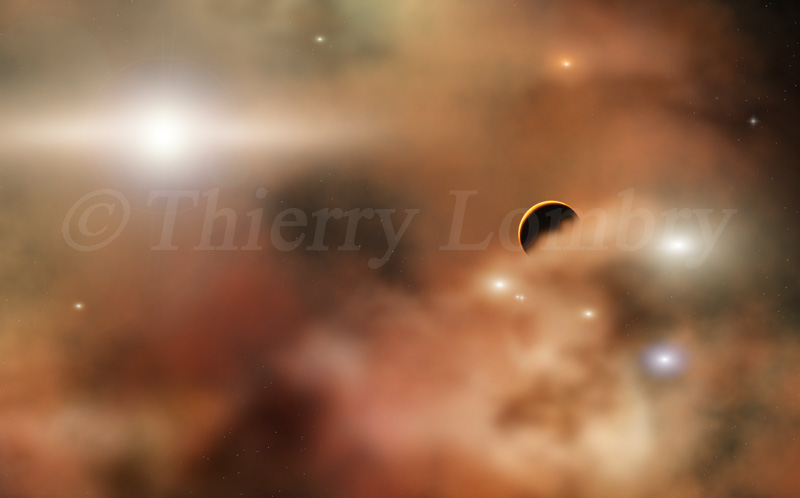
A young planetary system

X-ray pulsar located at 13000 l.y in Cassiopeia. Mass of 10-20 Ms, disk at 1.5 million km of about 10 earth-masses

Protoplanetary System

Planetary System

PSR 4U 0142+61 Cassiopeia

Black hole accretion disk

A RRAT, a neutron star between pulsar and magnetar.

Magnetar

Black Hole Accretion disk

Rotating Radio Transient, RRAT

Black hole

Black hole. which accretion disk shows spiral arms. Image based on an idea from G.Diaz, IAC (Spain)

Black hole GRO J1655-40

Fatal Link

Cosmic Maelstrom

GRO J1655-40 Scorpii

Supernova in a Seyfert galaxy

Wolf-Rayet system WR 104 in interactions. The blue companion is usually invisible.

A distant quasar without associated galaxy but close to a peculiar galaxy that it probably disturbed.

Supernova in a Seyfert Galaxy

Wolf-Rayet WR104

Quasar HE 0450-2958

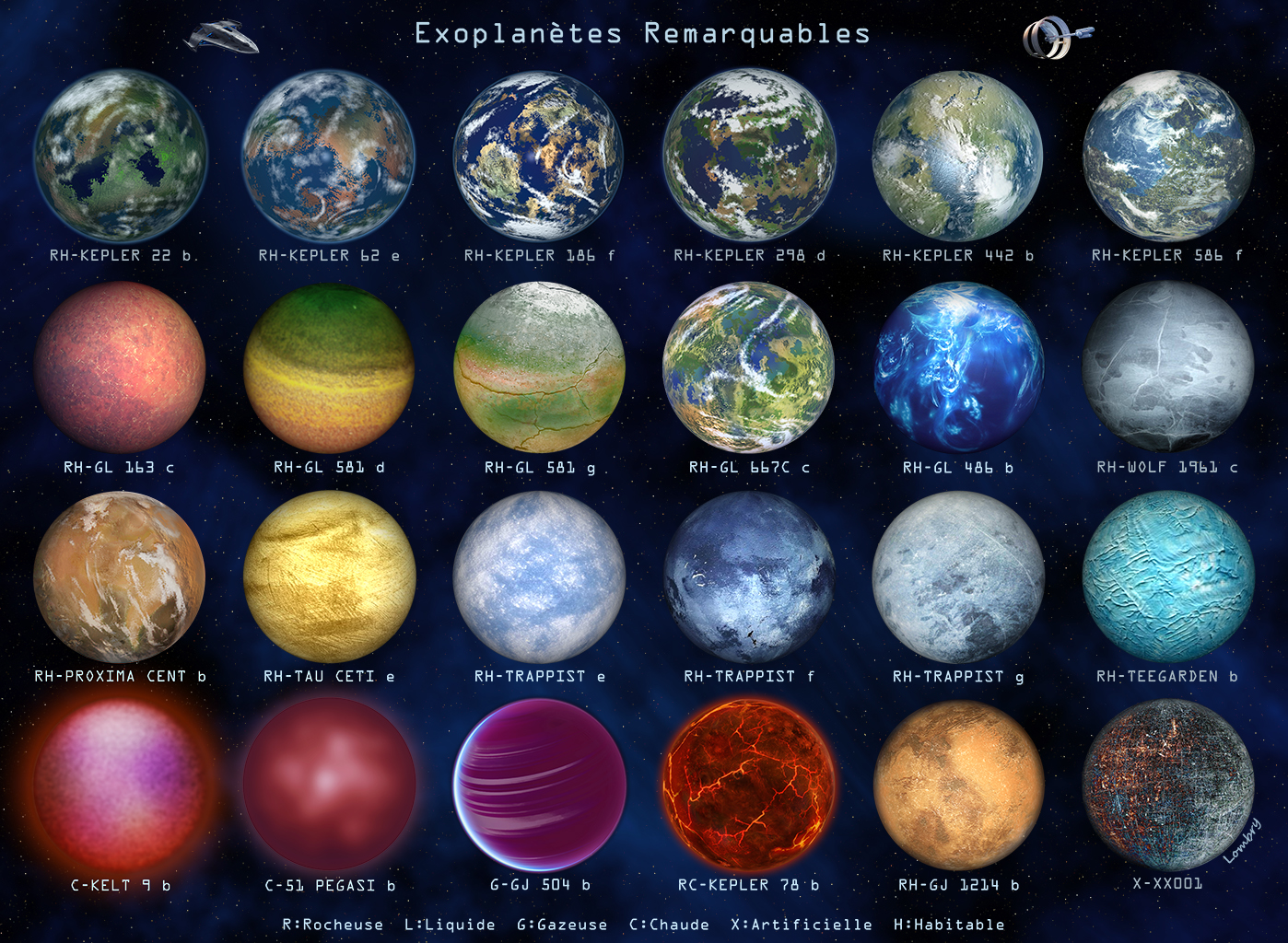
Exoplanets


Binary system

 
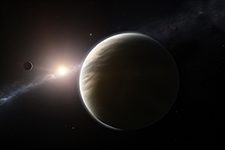
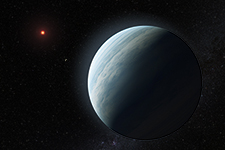
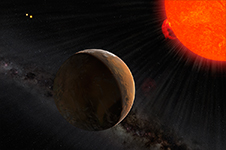
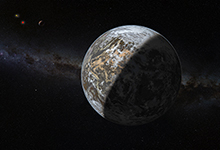
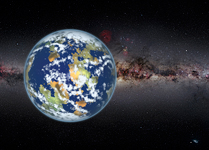
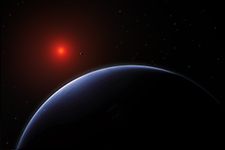
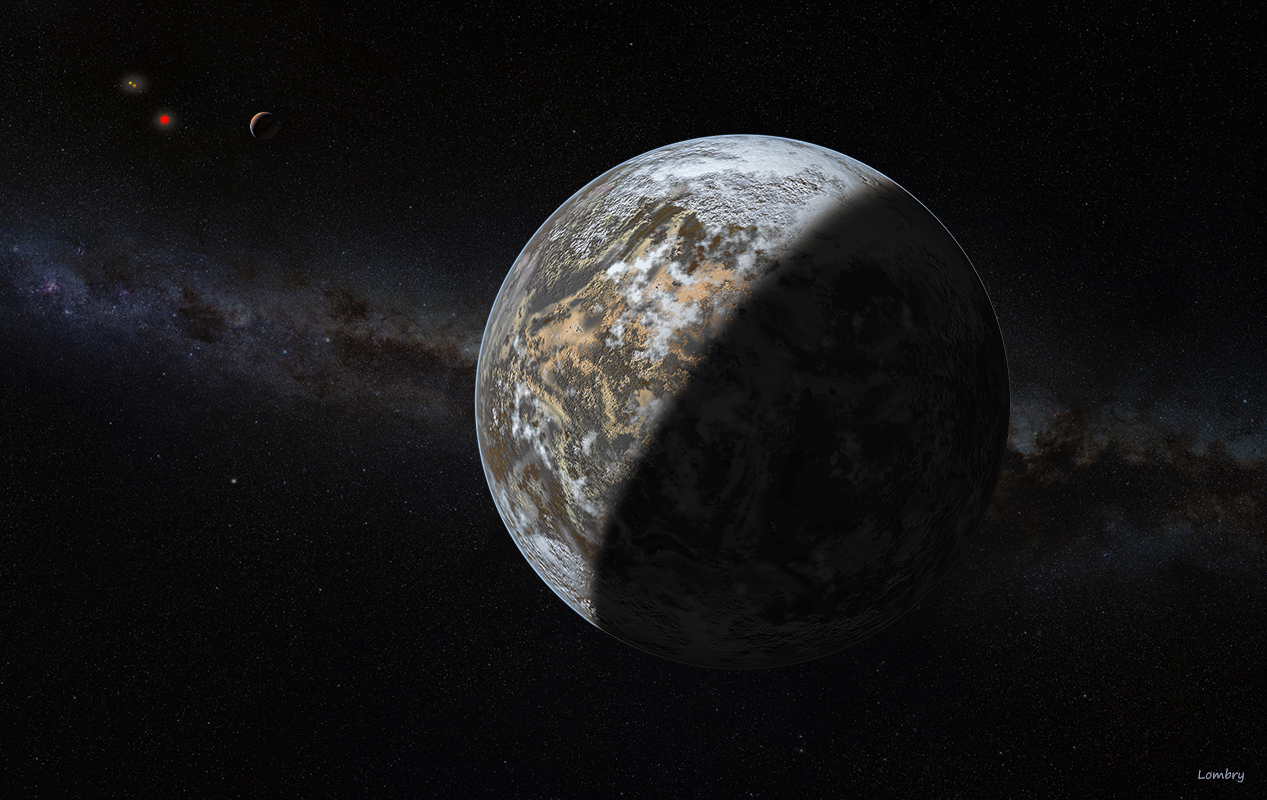
Gliese 581c, the first earth-like exoplanet (5 M-earth, 1.5 R-earth) is located at 20.5 l.y in Libra. It surface temperature is ranging between -3°C and +40°C. It is orbiting in the habitable zone around the brown dwarf star Gliese 581. This system is constitued of 3 exoplanets. K2V star with 1 exoplanet 1.6 Mj at 2.UA. The host star, Errai, will be our "polar star" in the future. Hot Subdwarf type B star with 1 exoplanet of 3.2 Mj at 1.7 AU that survived the giant red phase of the star.

Earth-like exoplanet Gliese 581c

Errai (g Ceph) and Gamma Cephei B

V391 Pegasi b

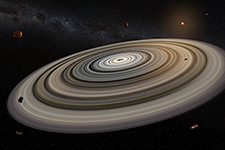
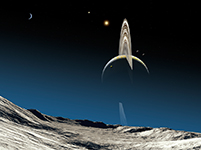
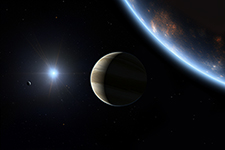
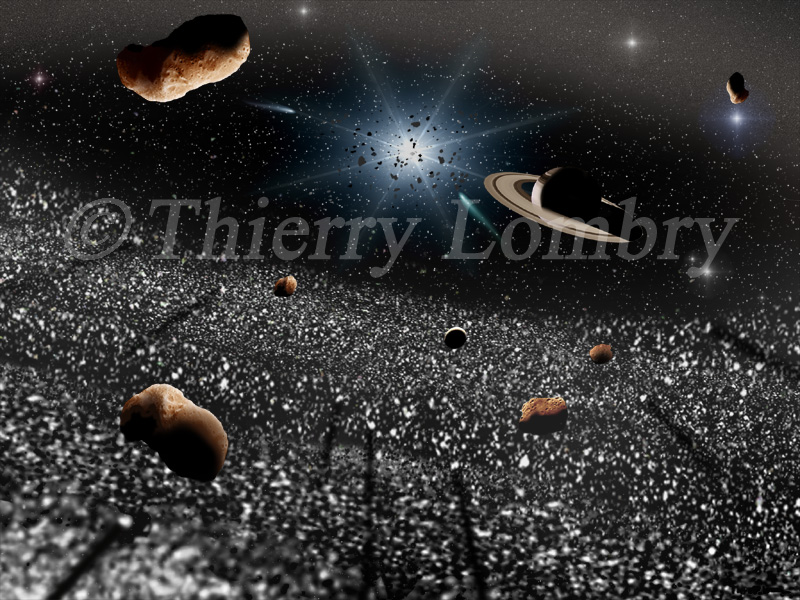
Rings of Saturn seen in perspective

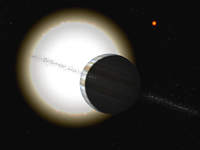
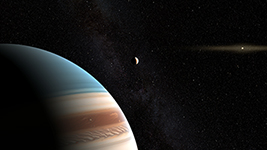
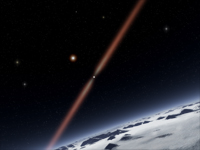
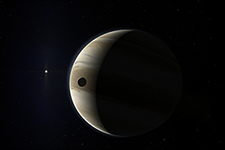
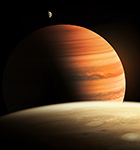
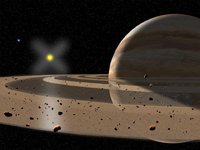
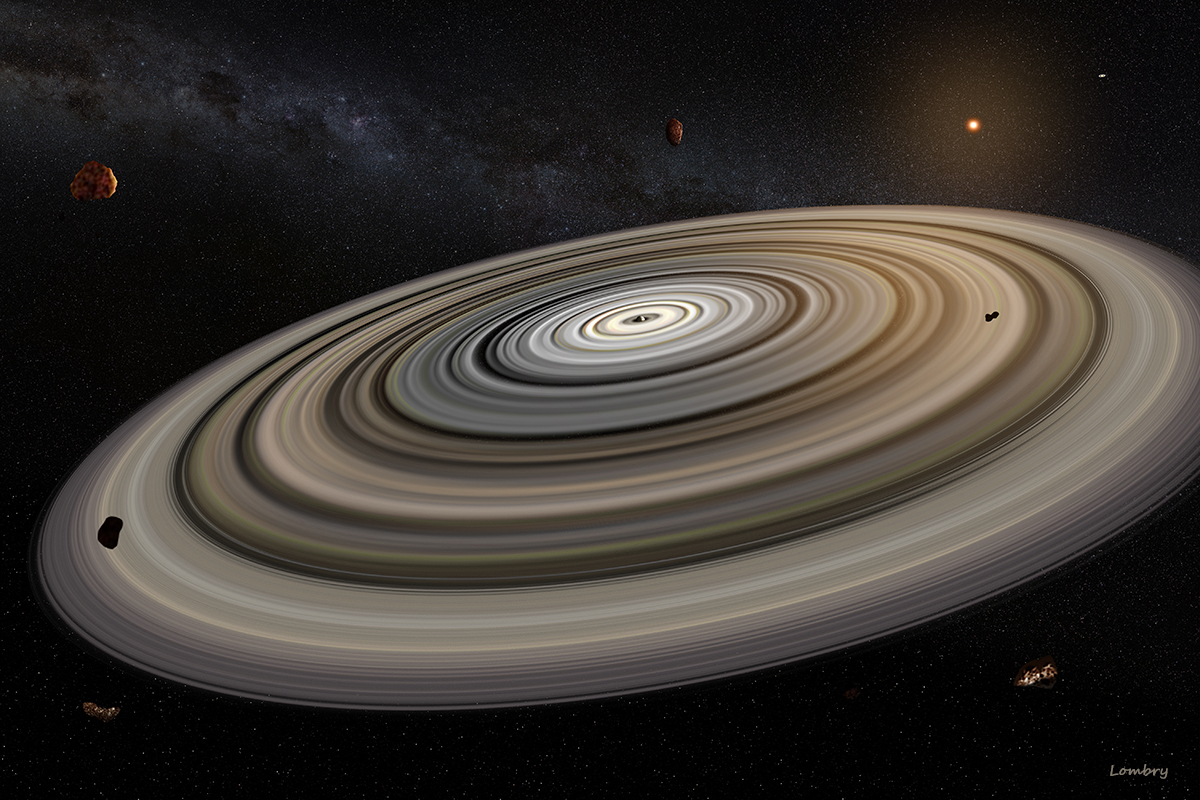
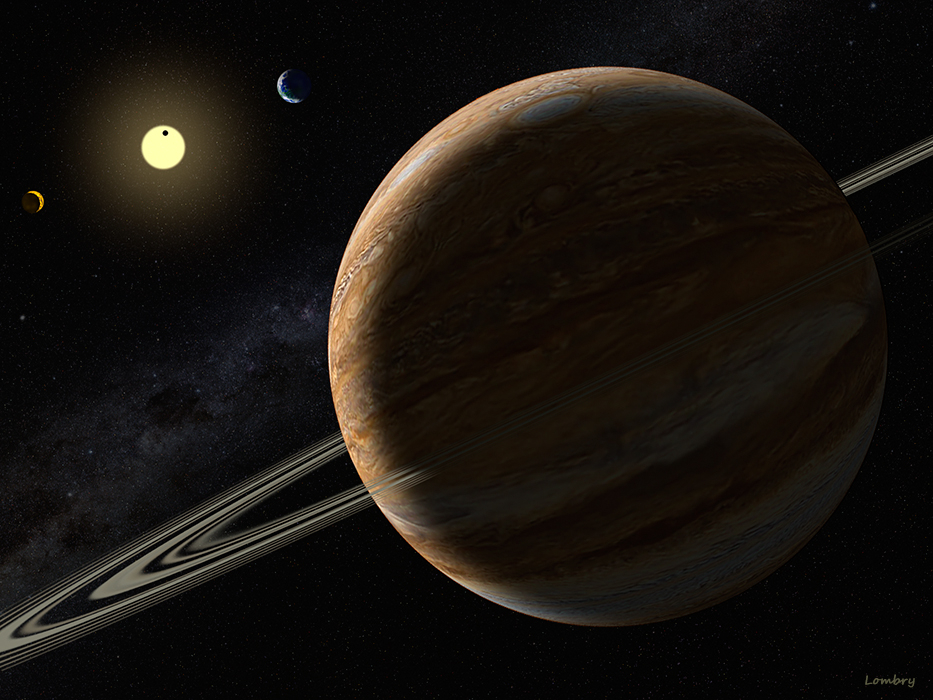
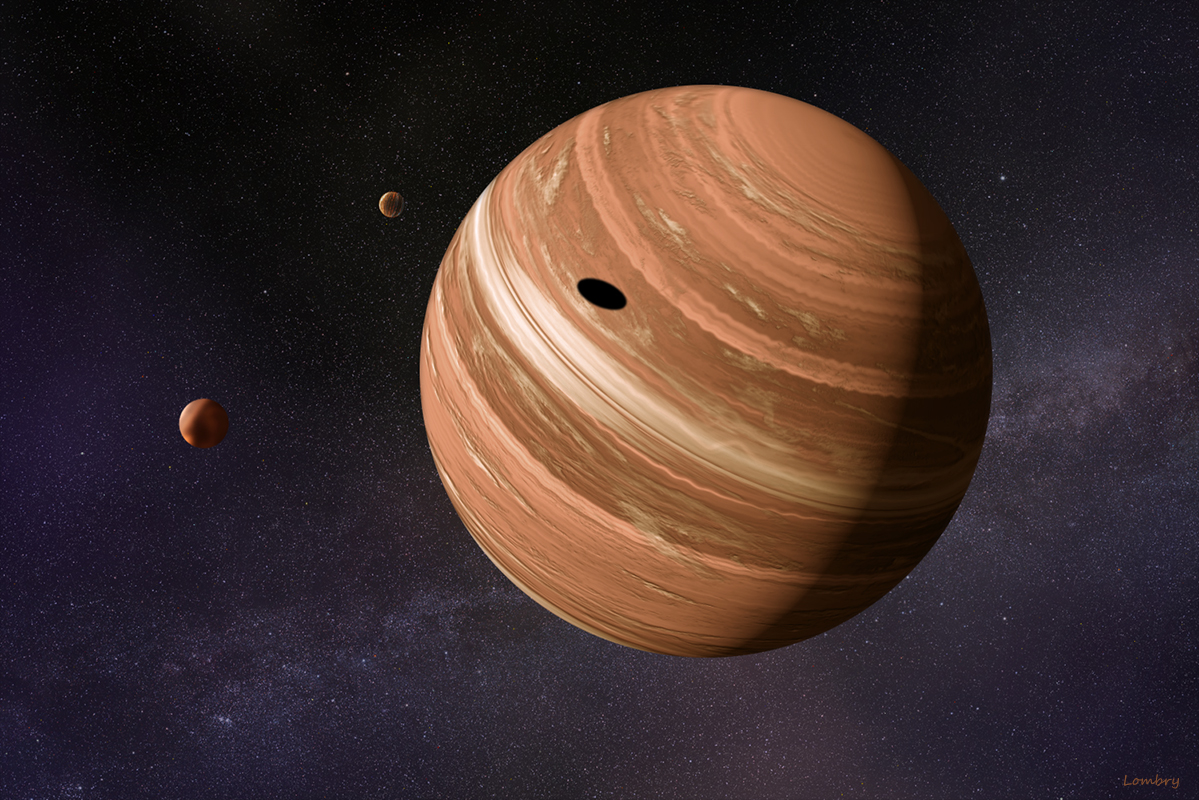
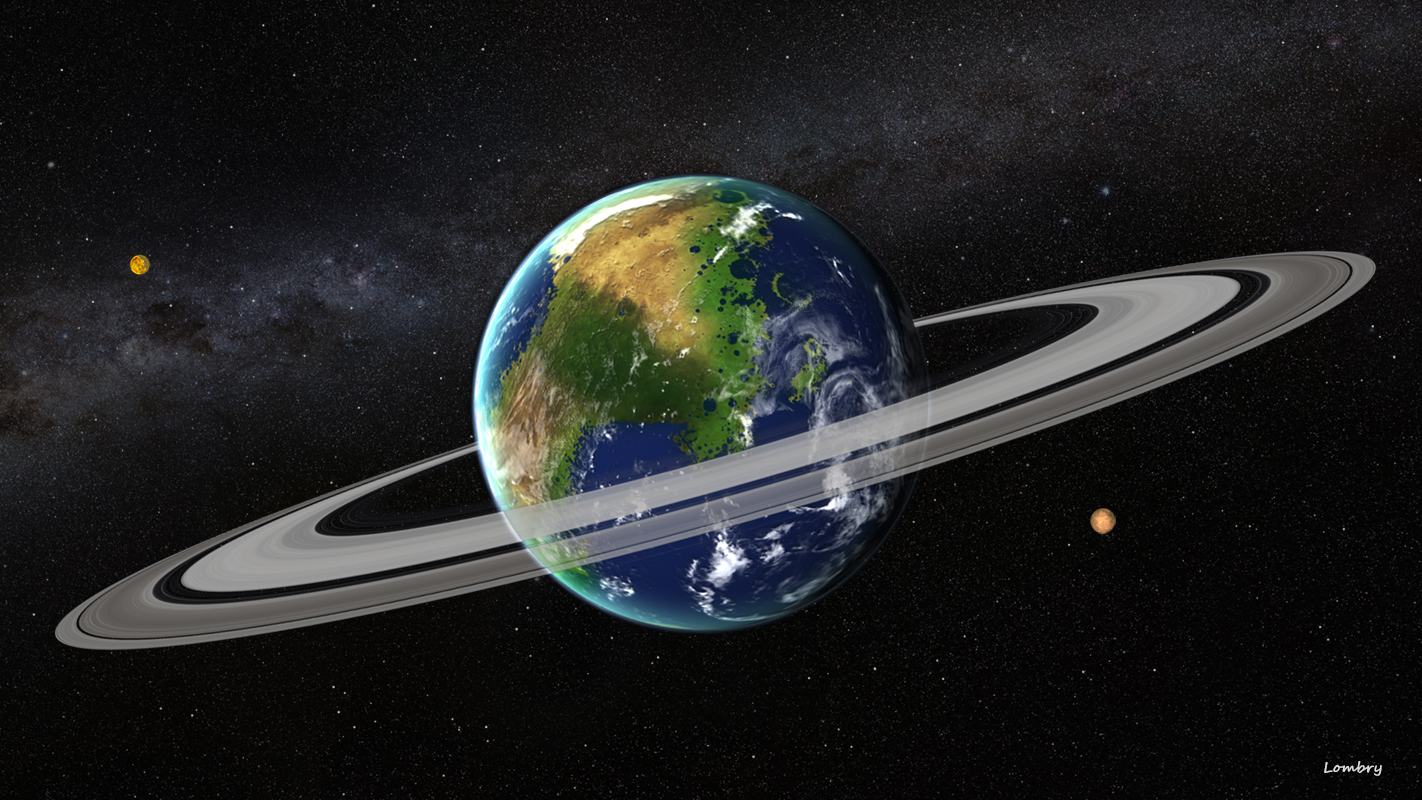
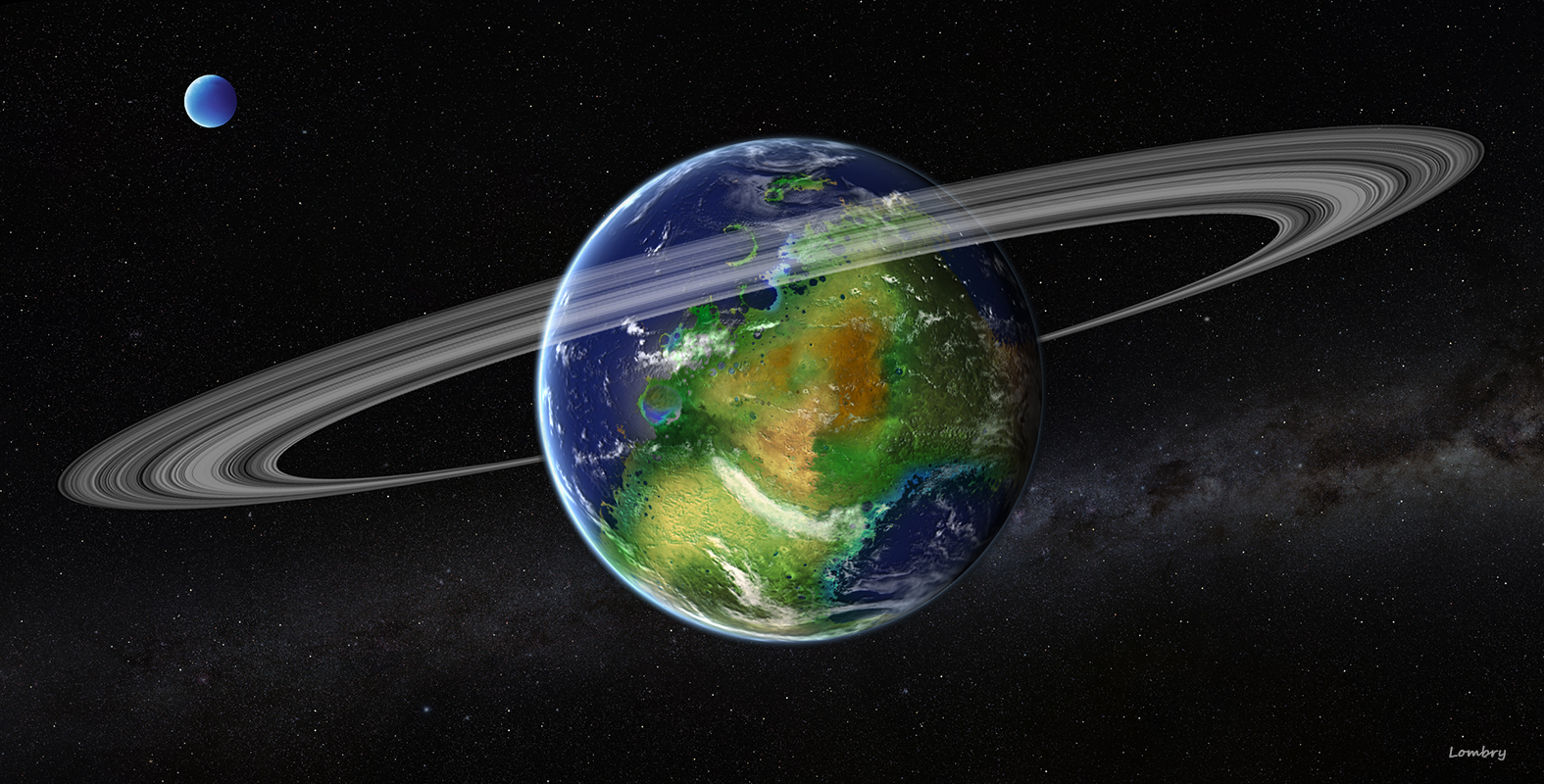
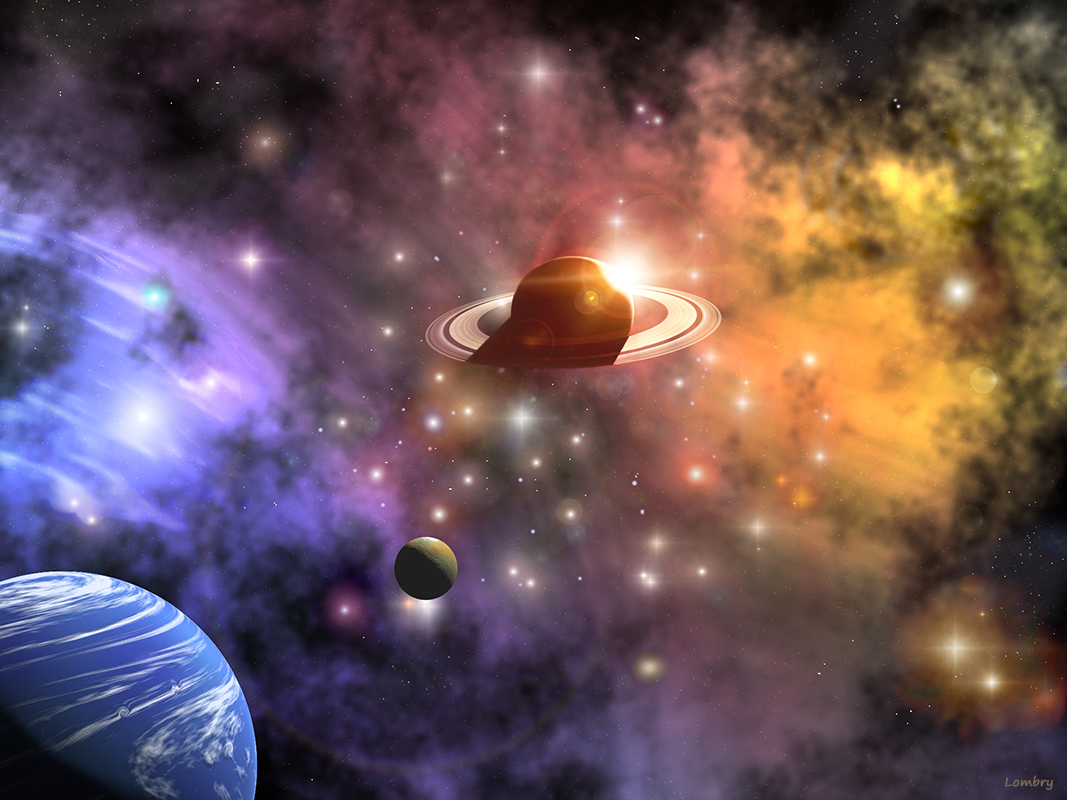
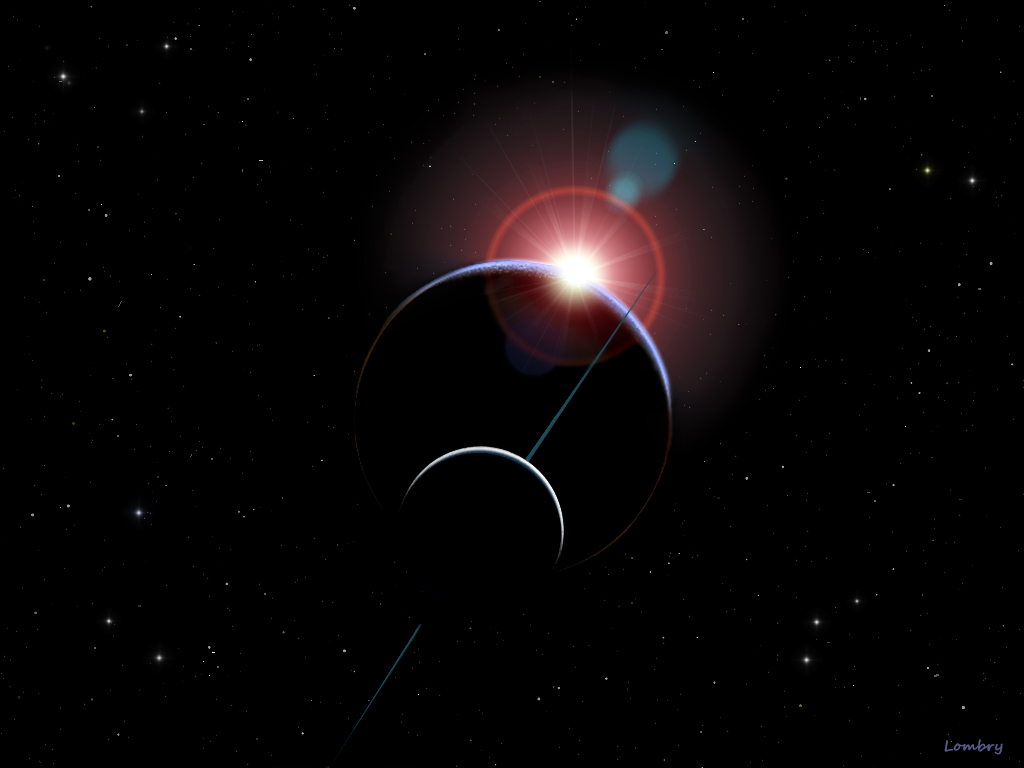
Grazing light scattering through the rings surrounding a gazeous exoplanet.

Over Rings

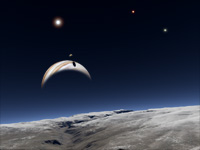
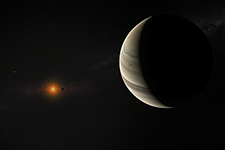
Setting of a Ringed Planet

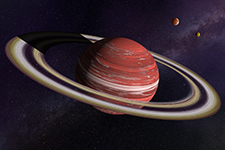
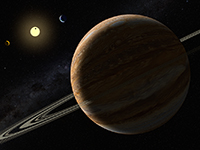
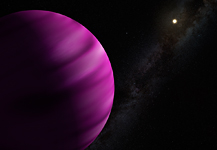
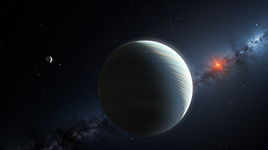
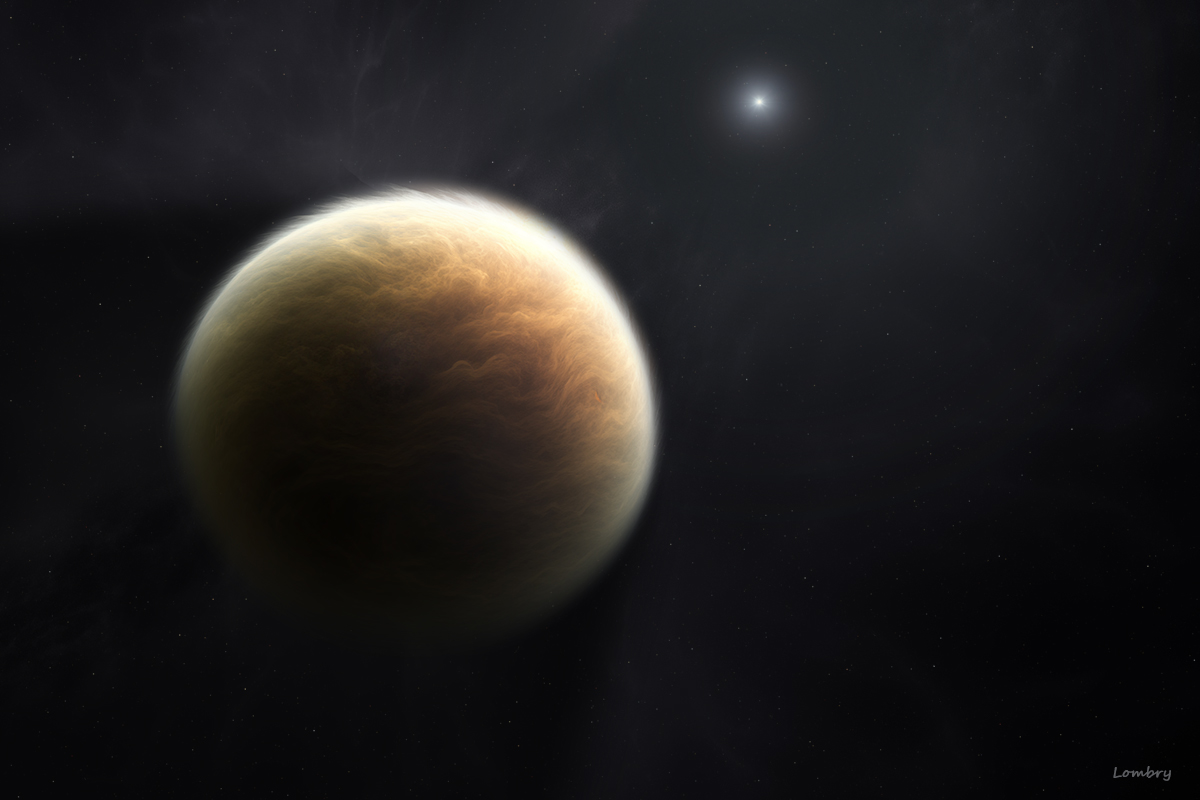
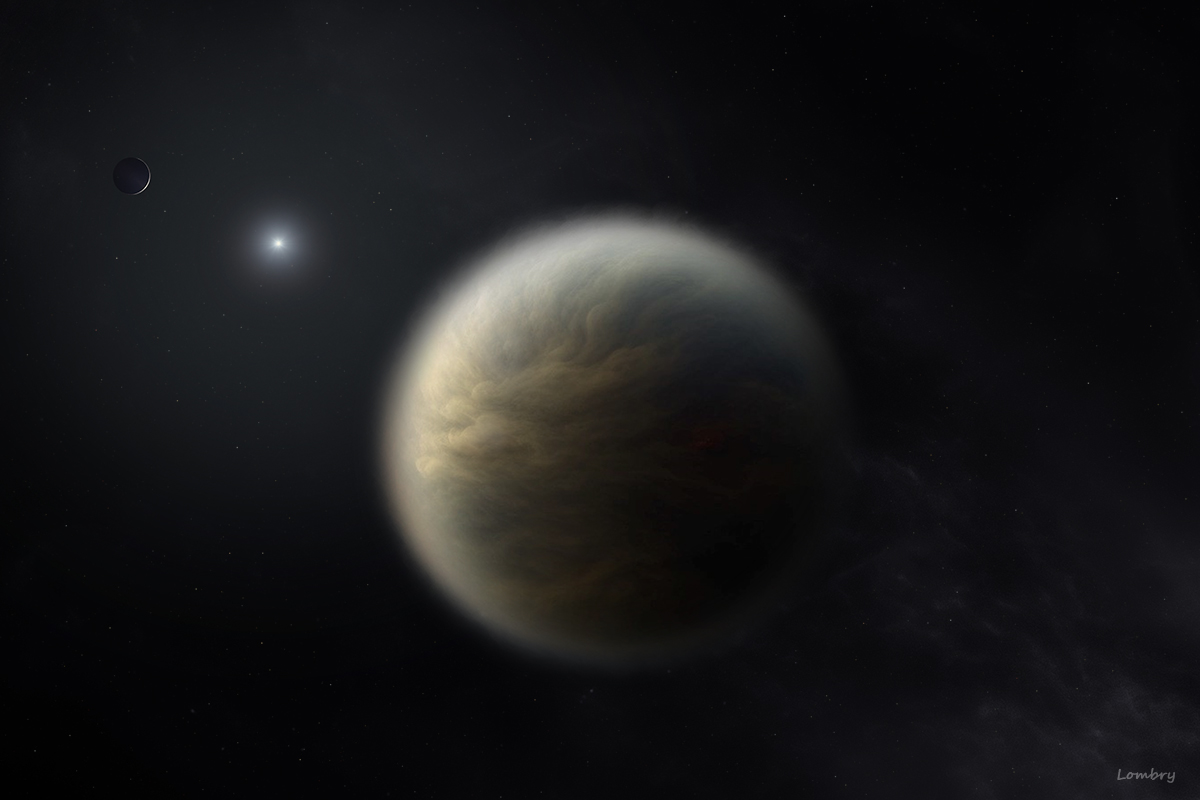
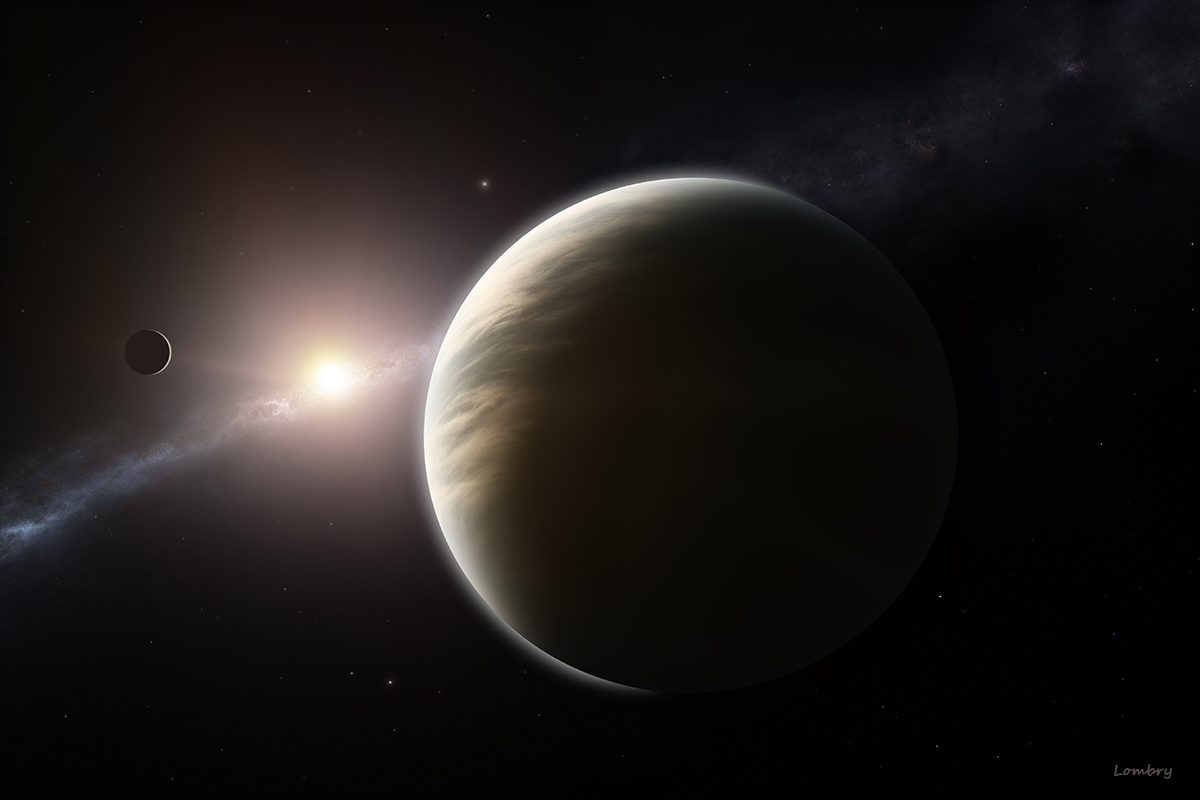
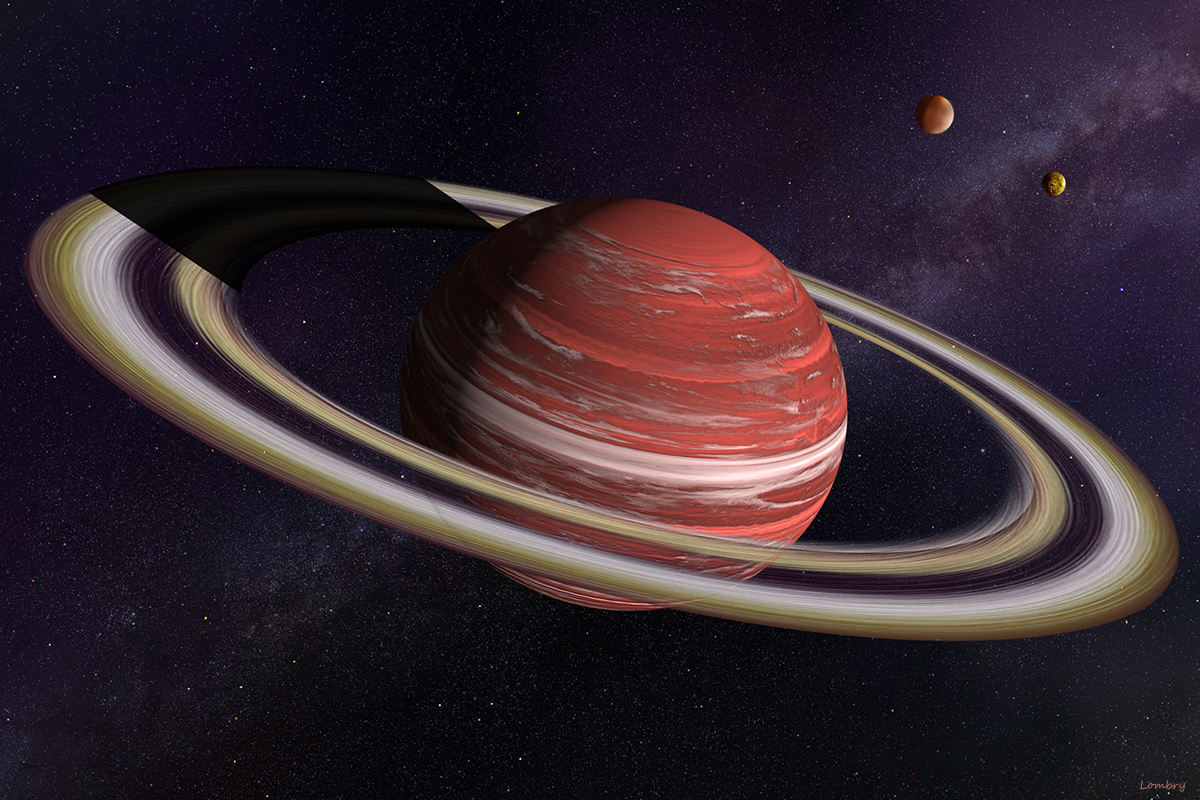
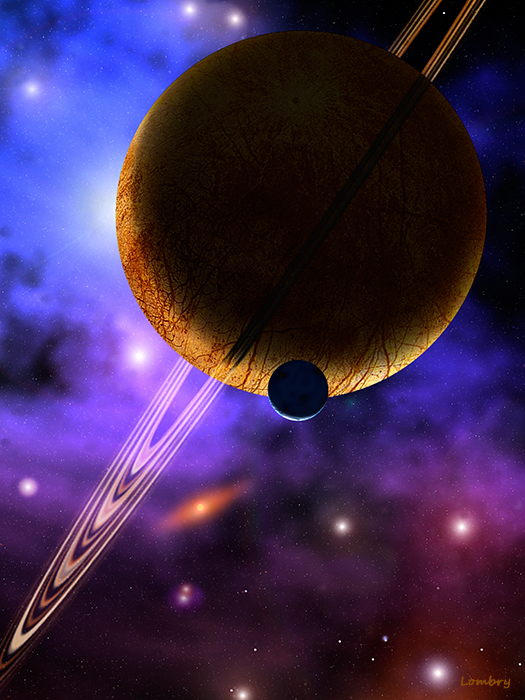
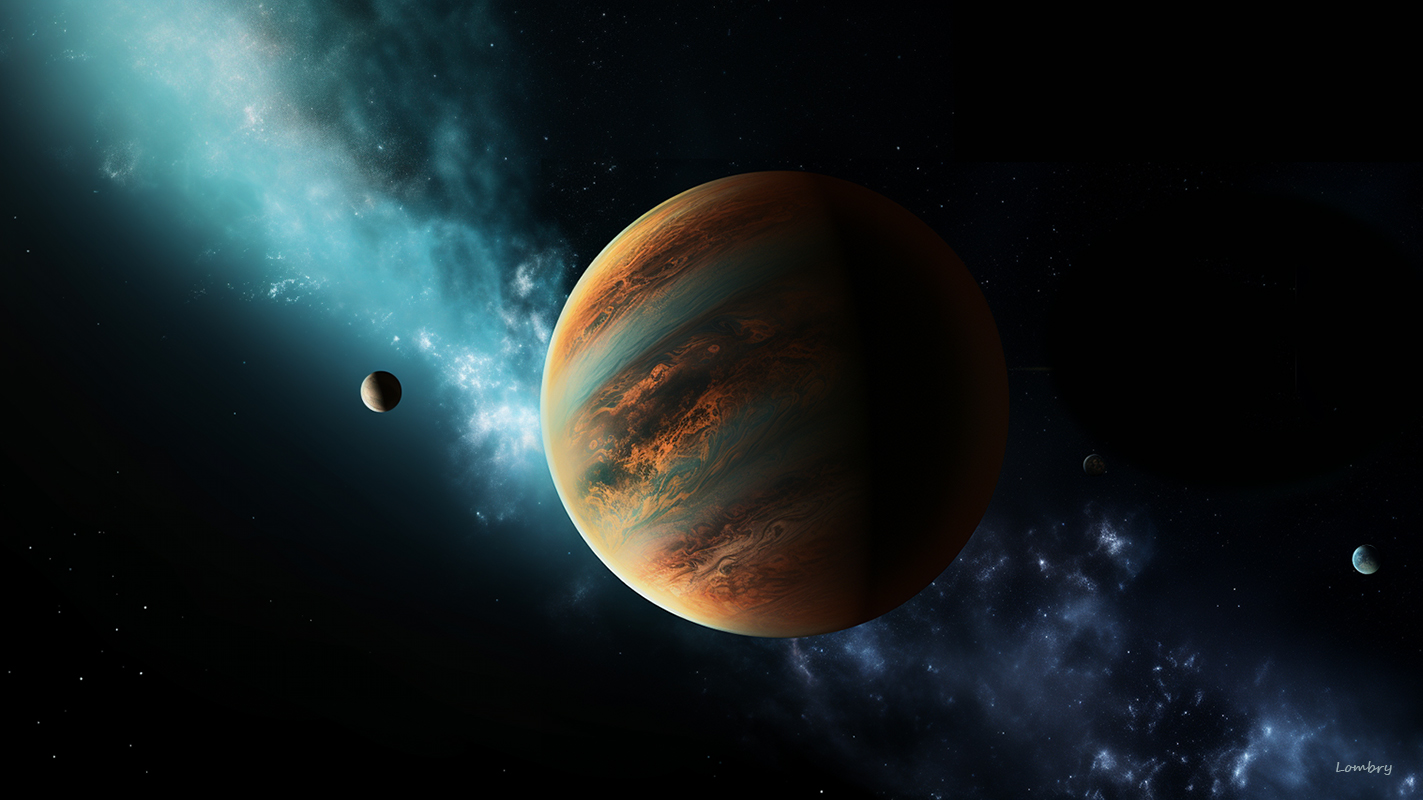
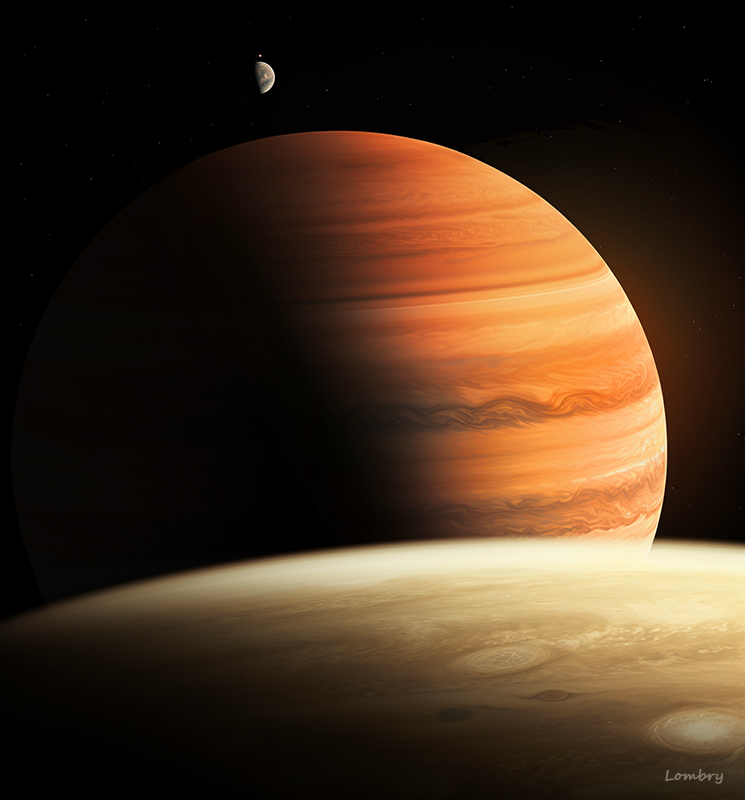
A gazeous and ringed exoplanet

Gliese 581 system in Libra. It contains a red dwarf star around which orbit 3 exoplanets. Gliese 581c show surface temperature between -3°C and +40°C. Its mass is 5 M-earth, its radius 1.5 R-earth. This is the first earth-like exoplanet discovered in the habitable zone.

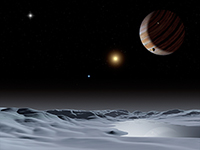
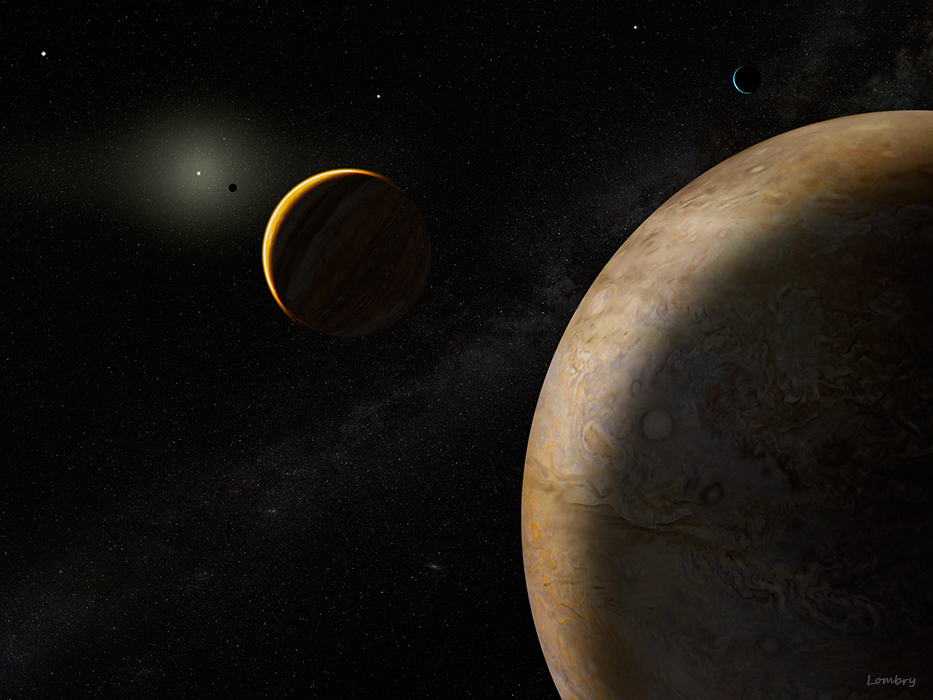
G4 star with 3 exoplanets: 0.6J at 0.5 AU, 0.6J at 1.6 AU, 1.2J at 2.5 AU.

G3 star, 4 exoplanets: 14x Earth at 0.09 AU, 0.52J at 0.92 AU, 1.7J at 1.5 AU, 3.1J at 4.17 AU.

Upsilon Andromedae

HD 37124 Tauri

Mu Arae

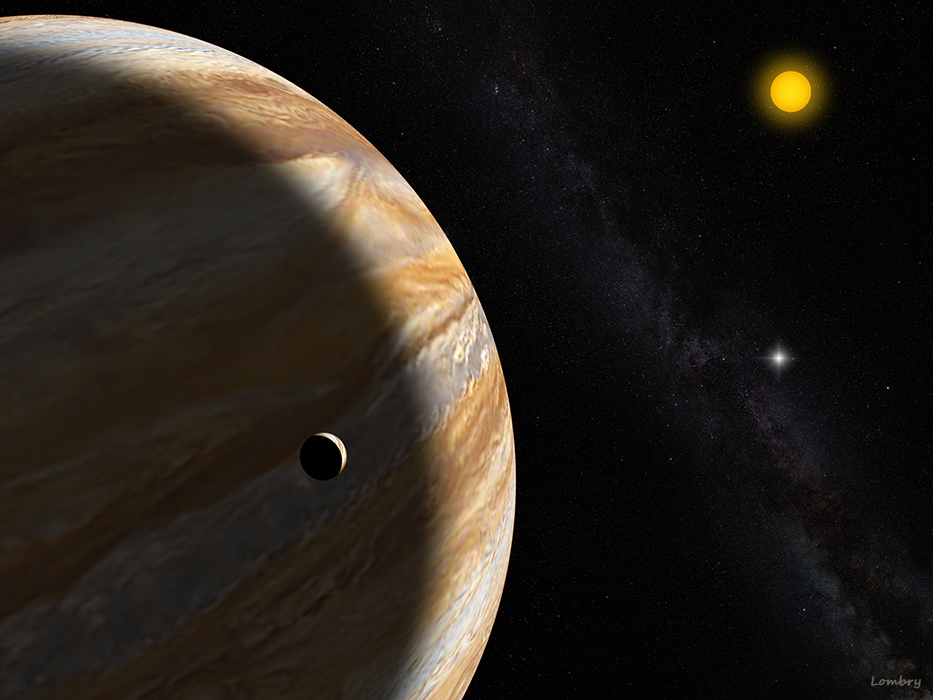
G 2.5 star 1.2 Rs with 1 exoplanet of 1.7J at 1.7 AU.

G0 star with 2 exoplanets: 2.5J at 2.1 AU, 0.8J at 3.7 AU, ring is optional.

G8 star 0.9Rs with 4 exoplanets: 14x Earth at 0.04 AU, 0.8J at 0.1 AU, 0.2J at 0.2 AU, 3.9J at 5.2 AU.

16 Cygni B

47 Ursa Majoris

55 Cancri

K0 star 0.85 Rs, 1 exoplanet of 0.6J but as large as Jupiter at 0.04 AU.

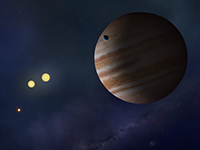
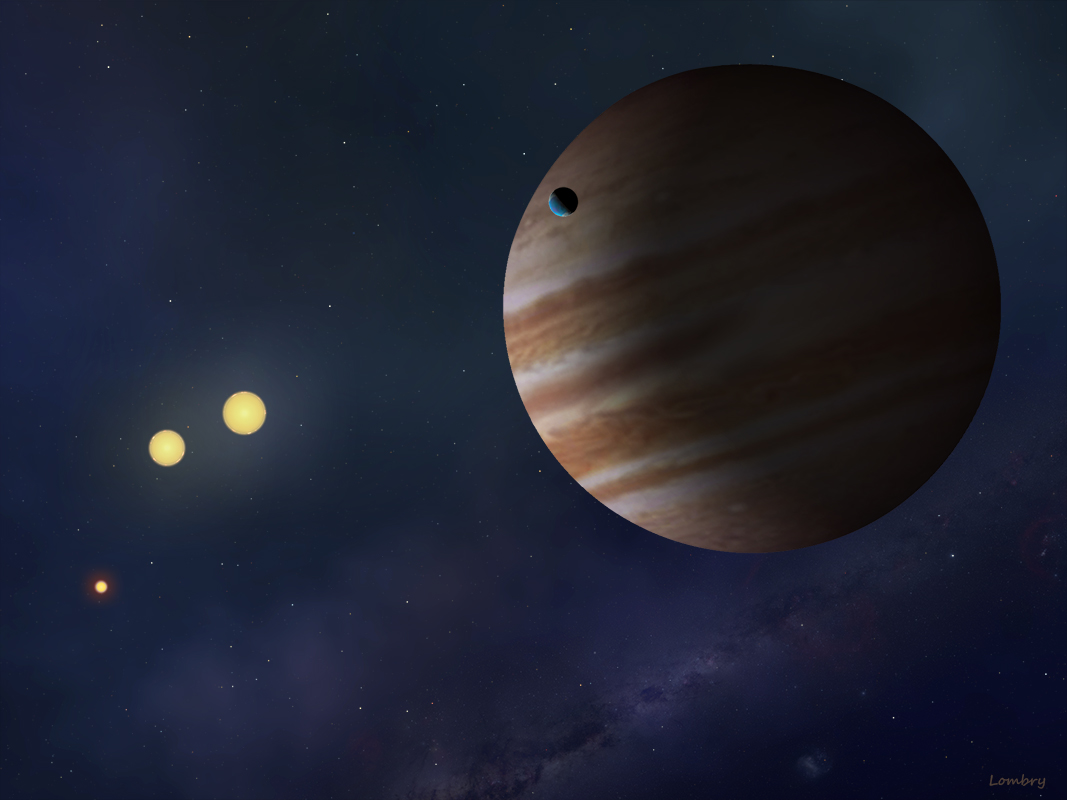
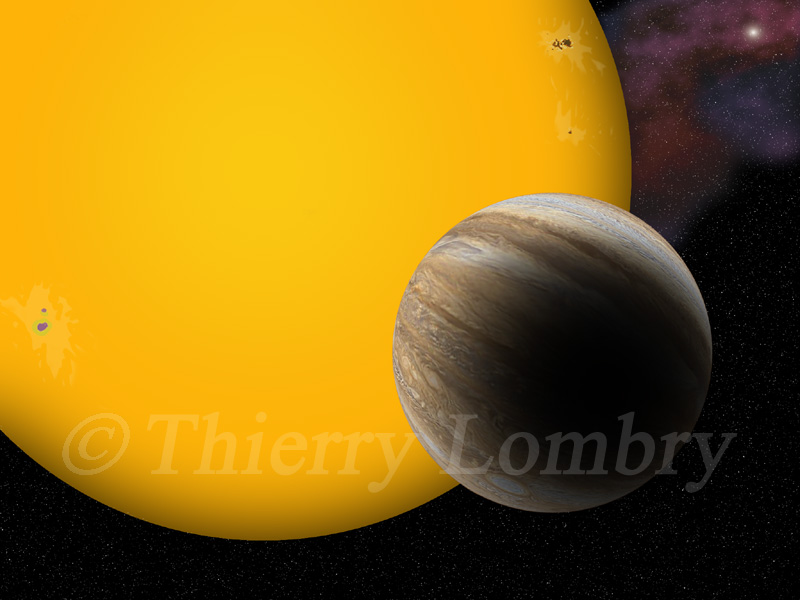
G star 1.3 Rs with 3 bodies : 1 exoplanet 1.15J at 0.004 AU and 1 stellar binary system (M and K star at 12 AU).

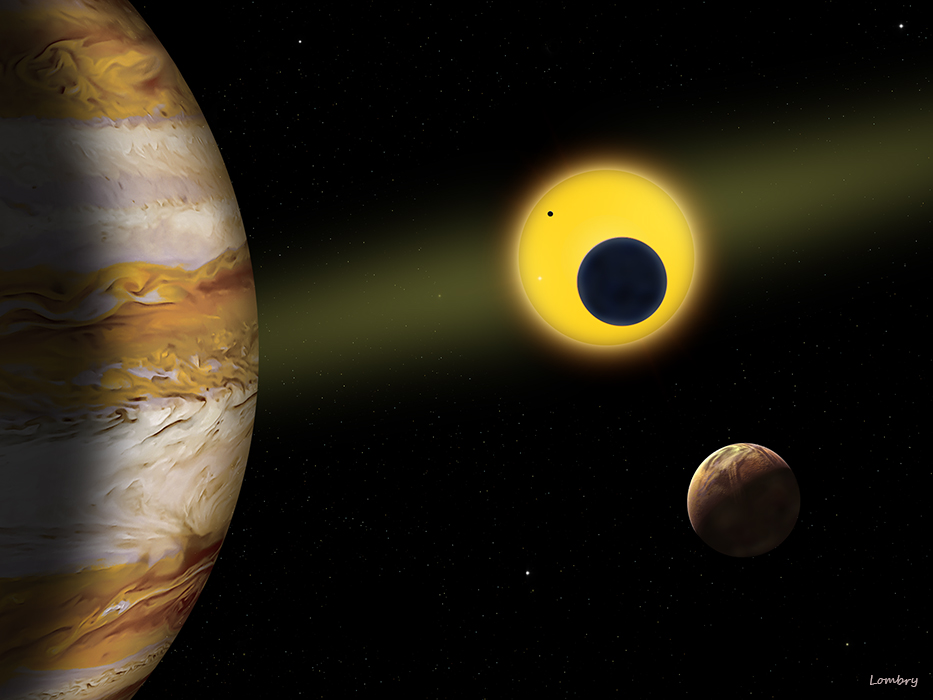
G8 star 0.9Rs with 5 exoplanets: 14x Earth at 0.04 AU, 0.8J at 0.1 AU, 0.2J at 0.2 AU, 45x Earth at 0.8 AU, and 3.9J at 5.2 AU.

TrES-1 Lyrae

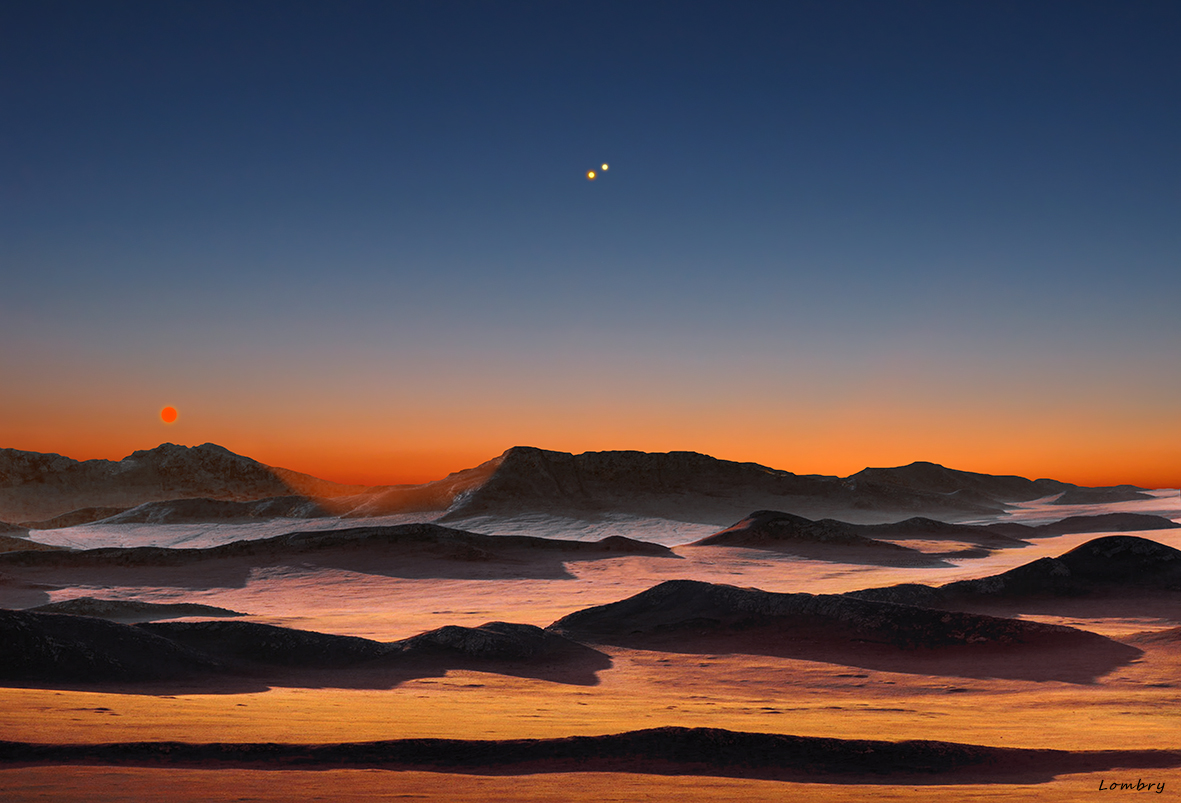
Tatooine, HD 188753 Cygni

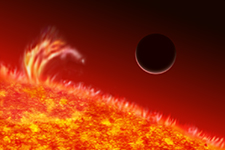
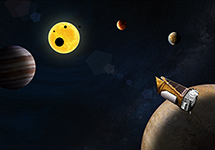
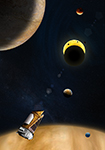
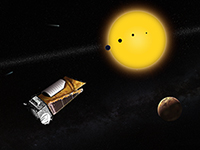
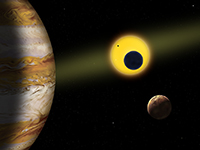
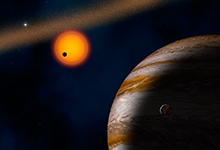
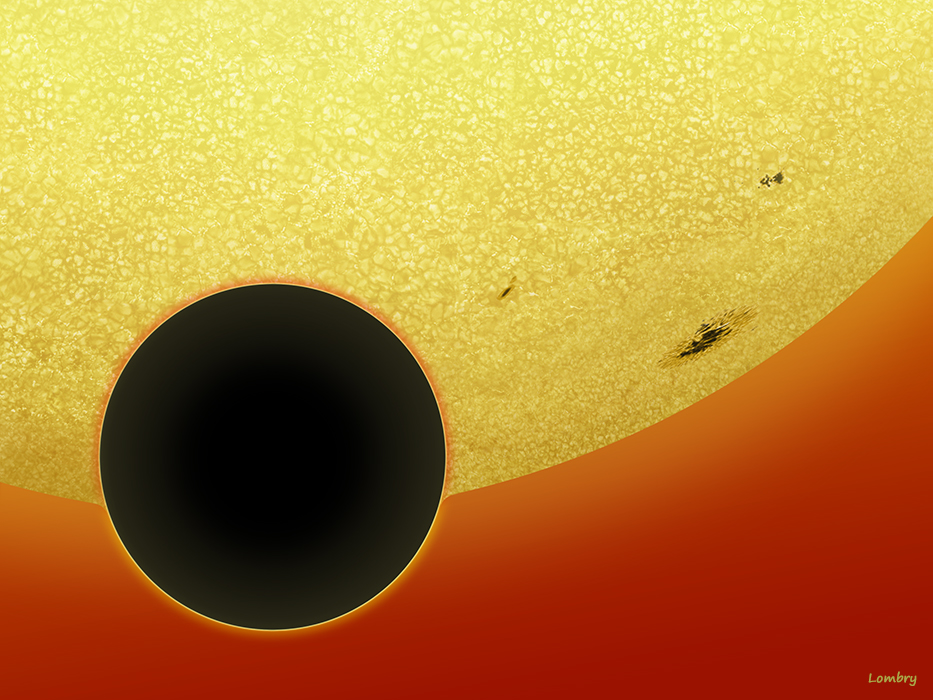
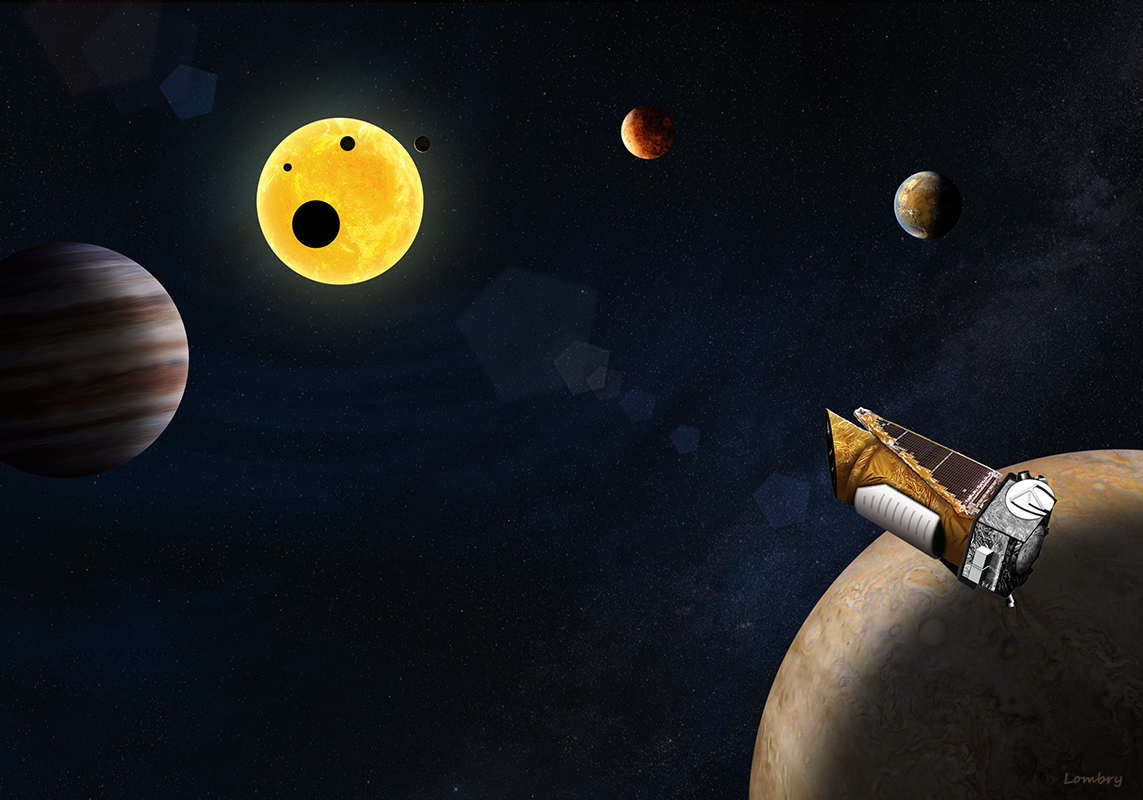
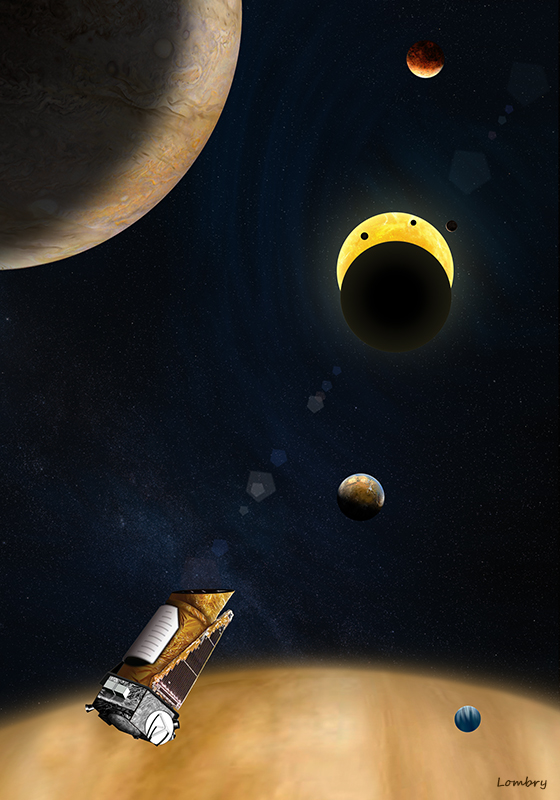
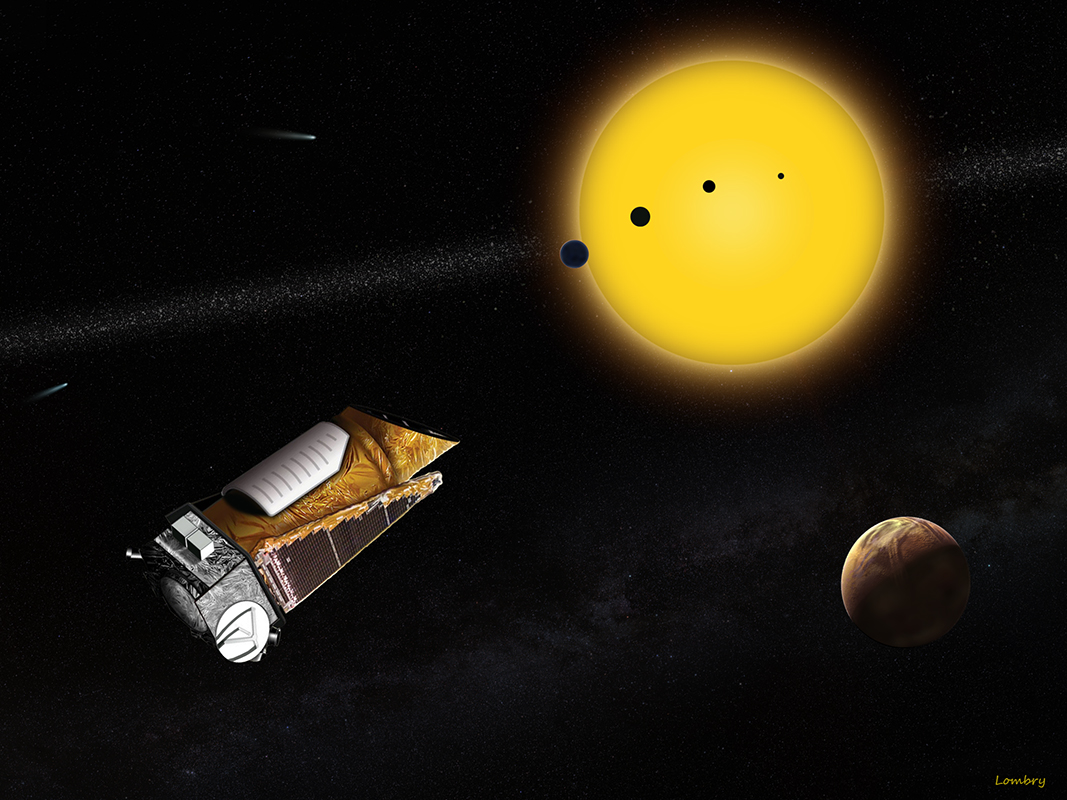
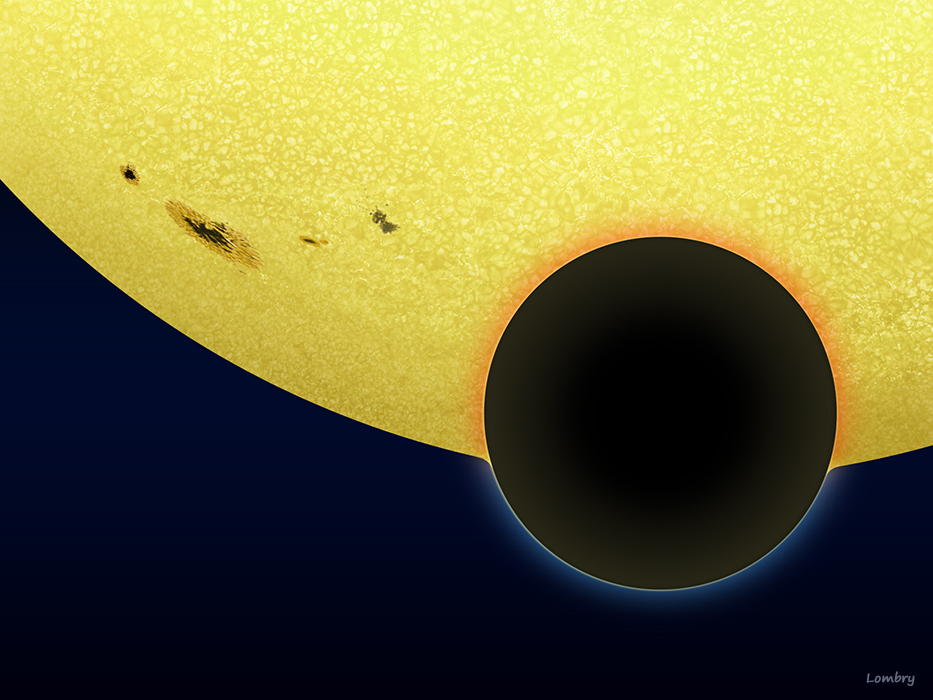
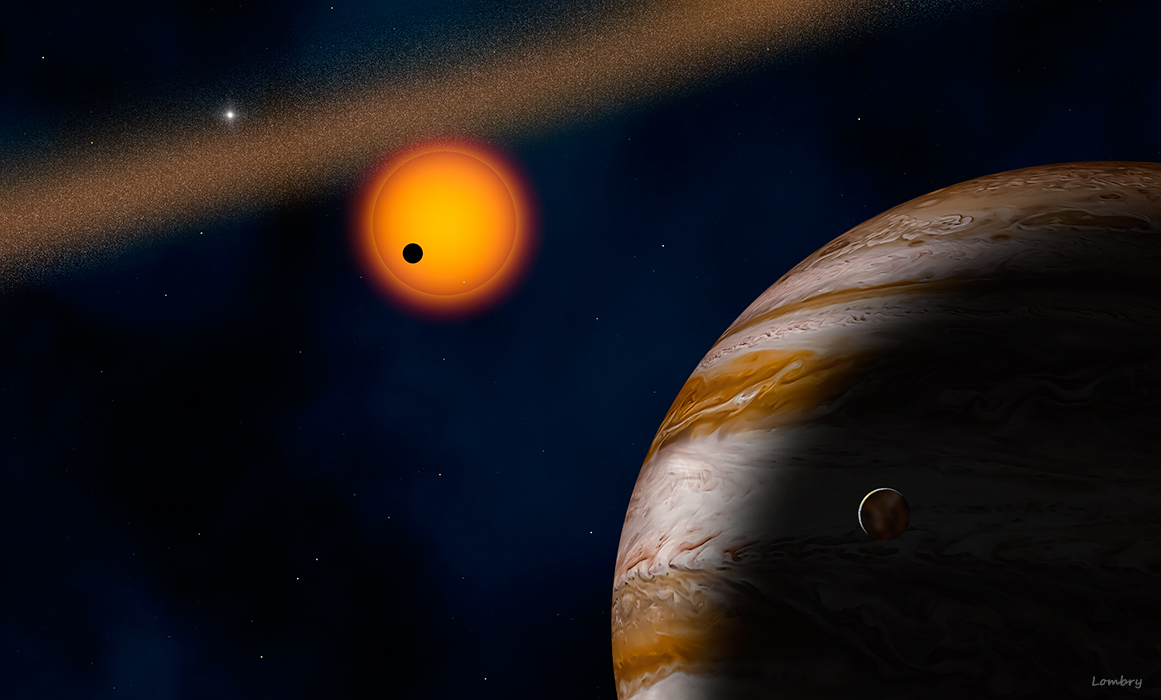
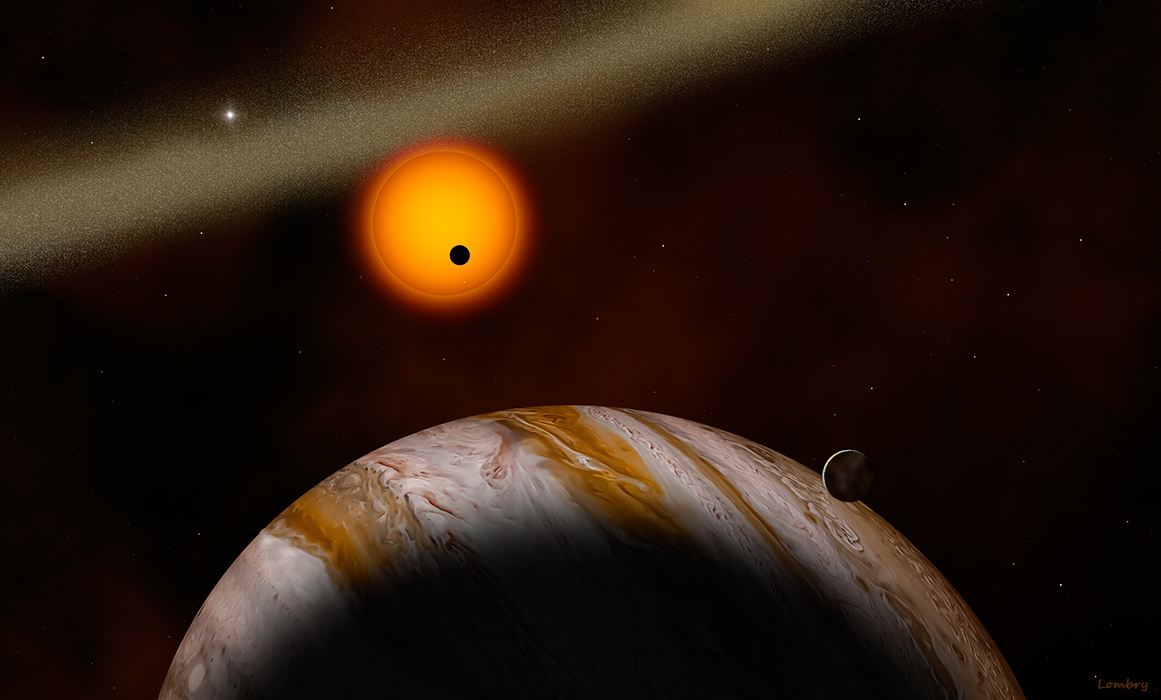
Transits in Front of 55 Cancri

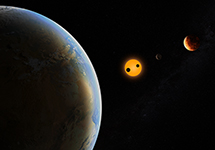
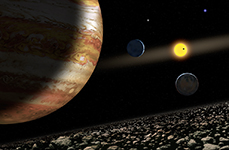
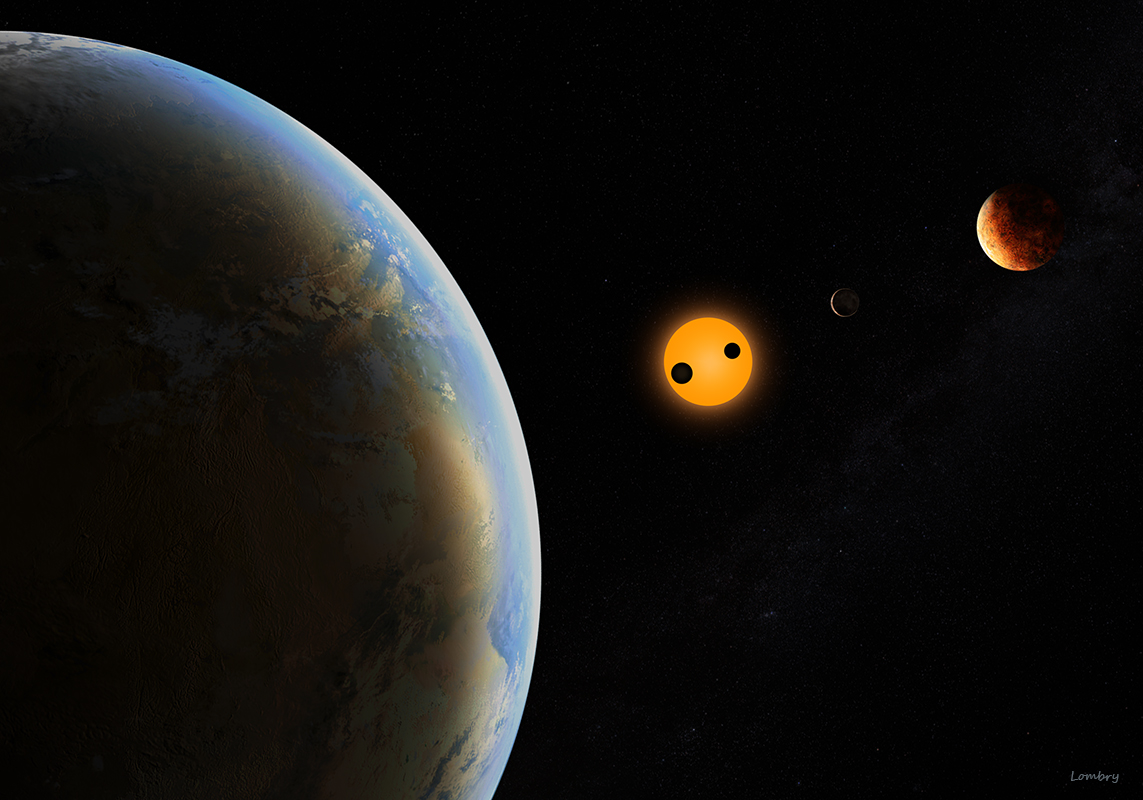
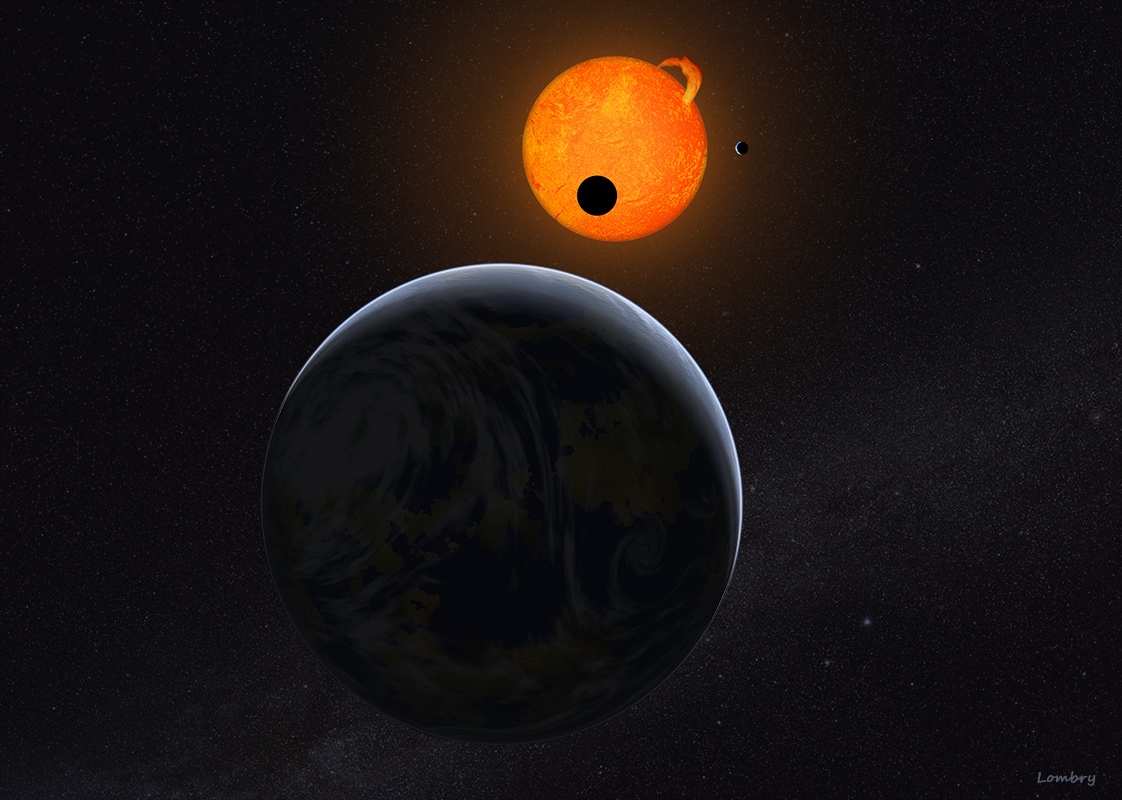
M4 star, 3 exoplanets: 7x earth at 0.02 AU, 0.5J at 0.1 AU, 7J at 0.2 AU.

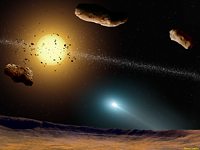
G star surrounded with a dust disk and planetesimals.

Star A5 with 1 exoplanet of 2J at 8 AU, an asteroid belt at 24 AU, a cometary disk  at 40 AU and maybe an exoplanet of 13J at 53 AU (not confirmed).

Gliese 876 Aquarii

Tau Ceti

Bêta Pictoris

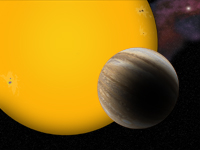
F7 V star 1.6 Rs with 1 exoplanet of 3.9J at 0.046 AU.

F7 V star 1.6 Rs with 1 exoplanet of 3.9J at 0.046 AU.

F7 V star 1.6 Rs with 1 exoplanet of 3.9J at 0.046 AU.

Tau Bootis b

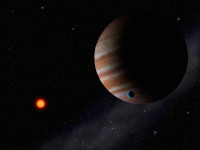
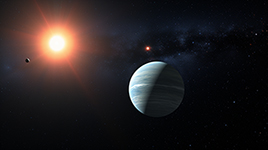
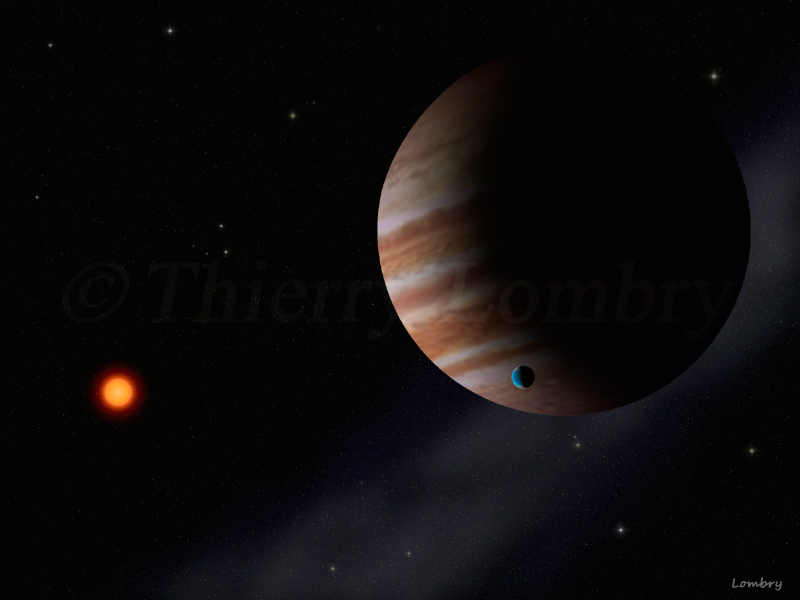
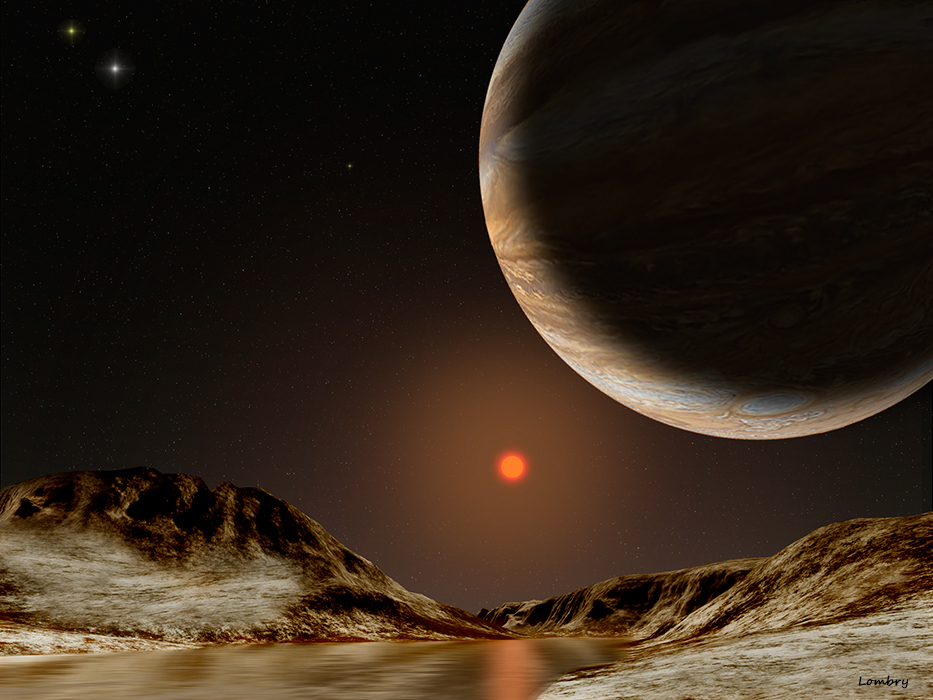
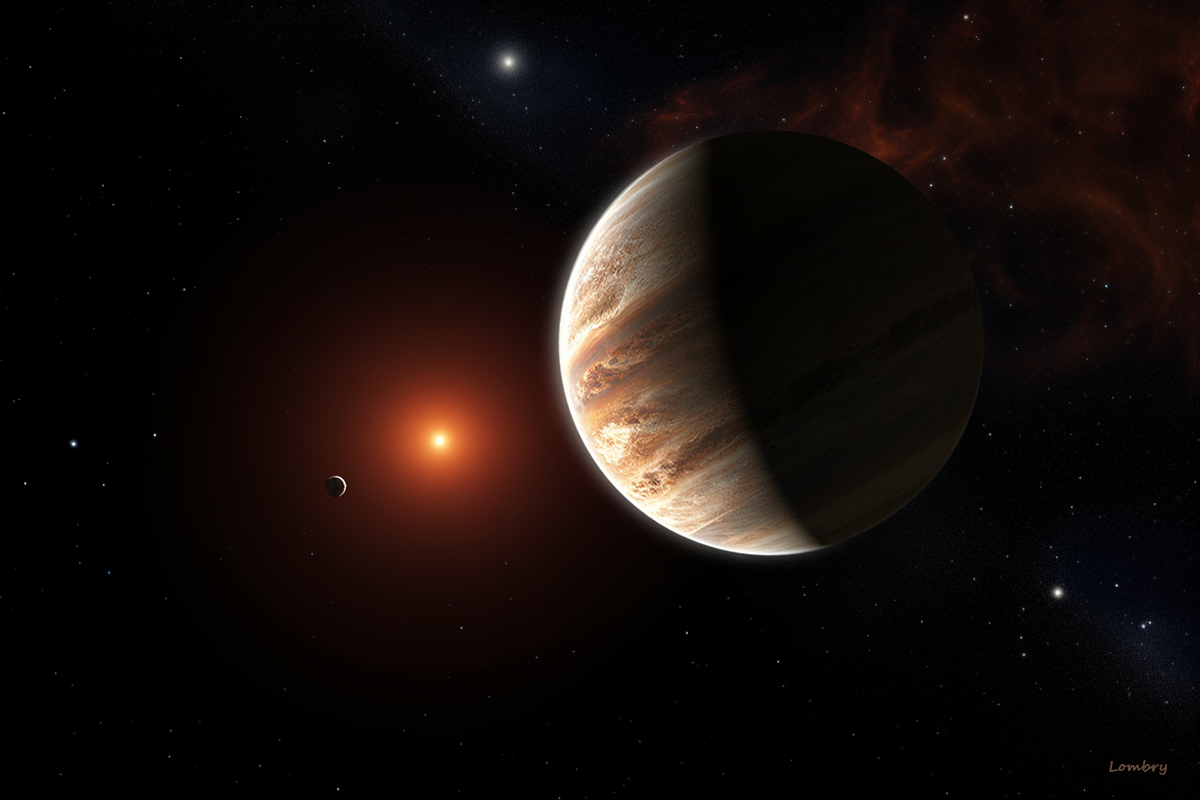
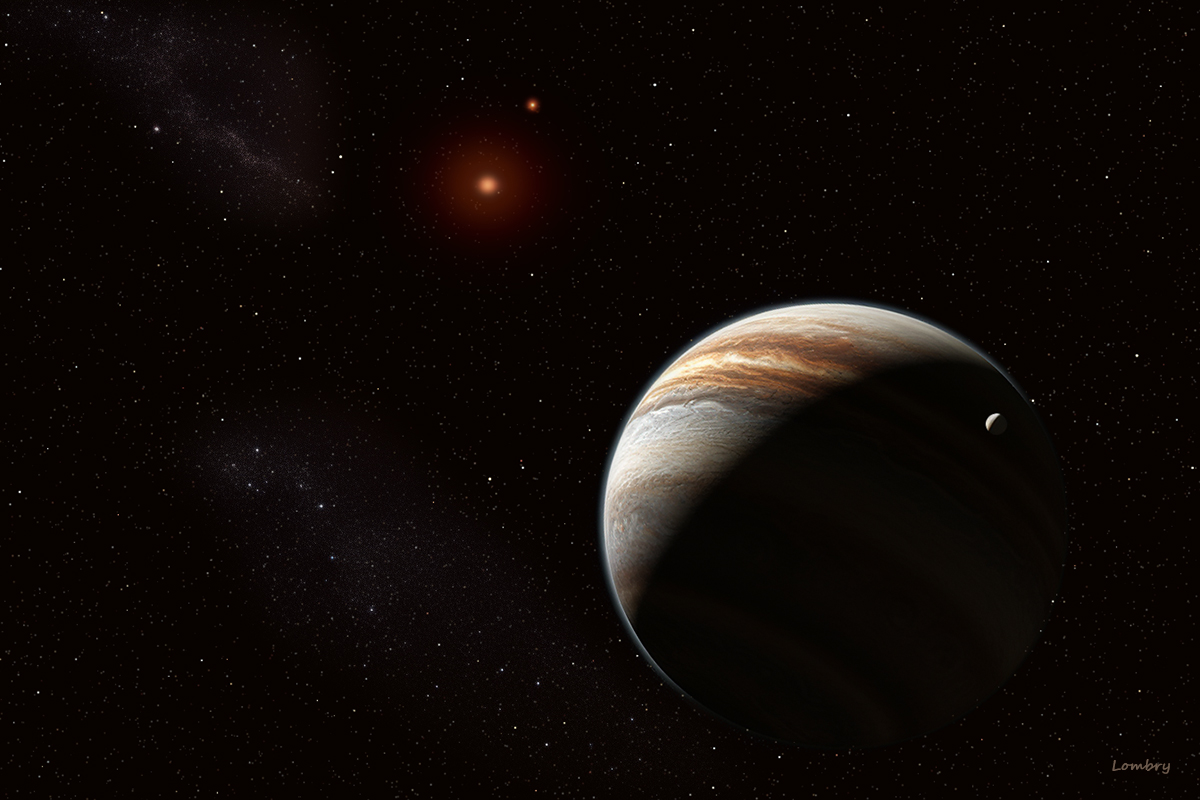
M2 red dwarf star 0.4 Rs, 2 exoplanets: 0.9J at 2 AU, 1.6J at 10 AU.

Pollux, alias HD 62509 is a KOIII star with 1 exoplanet of 2.9 J at 1.69 AU

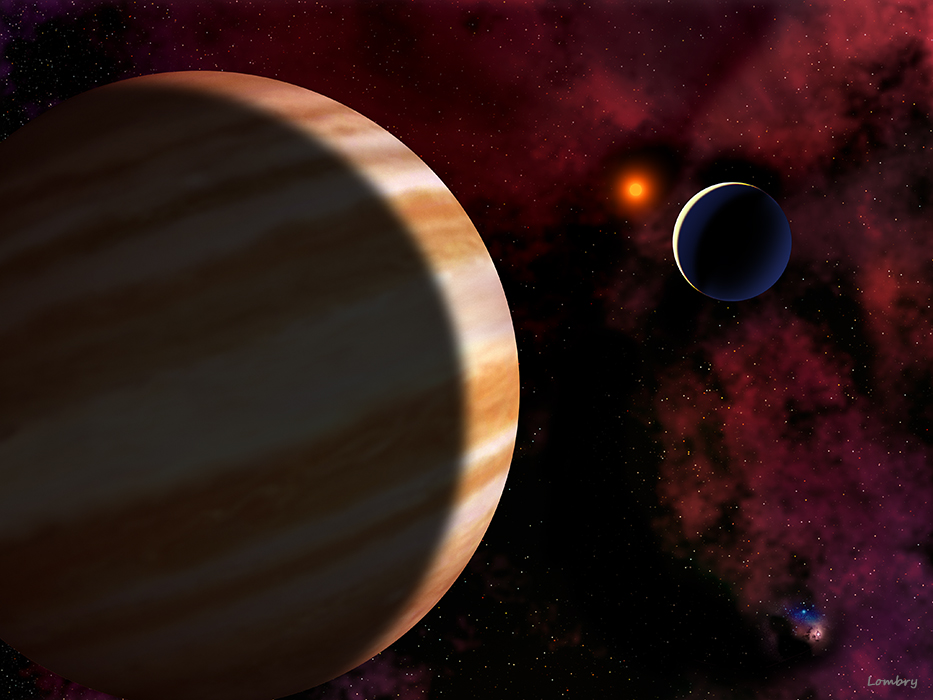
K2 star 11 Rs and 1 Ms with 1 exoplanet of 8.6J at 1.3 AU.

Lalande 21185 Ursa Majoris

Pollux, b Geminorum

Iota Draconis

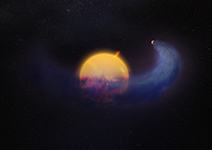
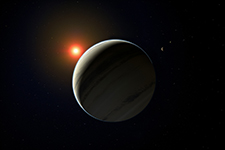
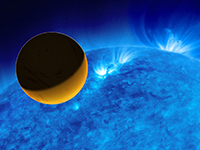
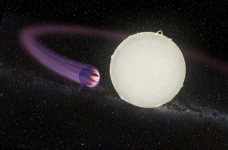
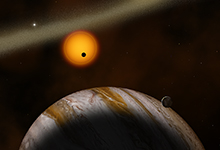
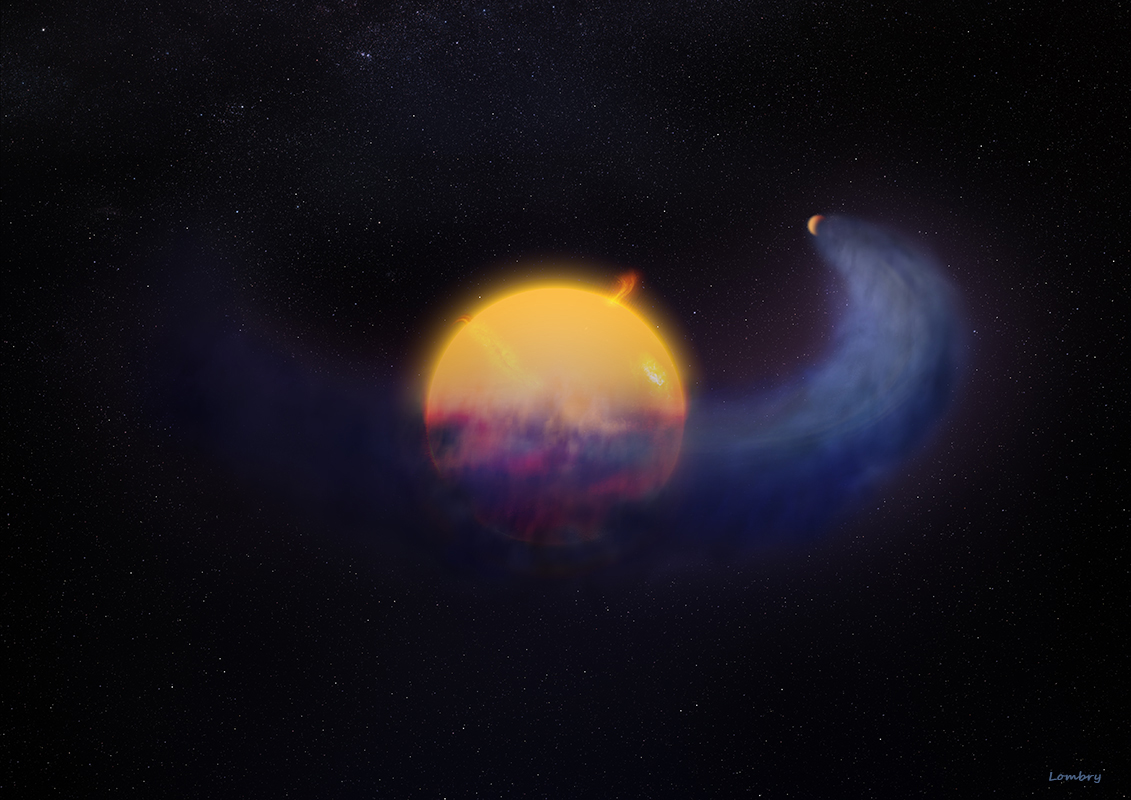
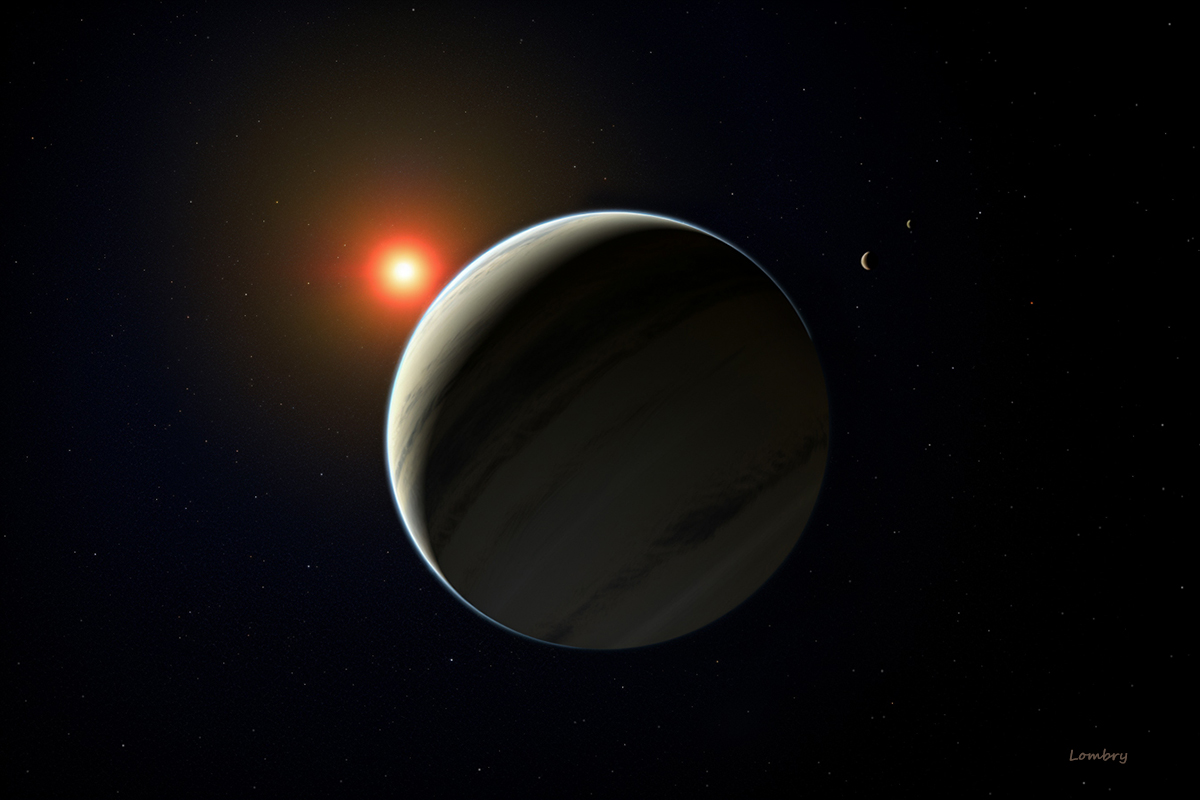
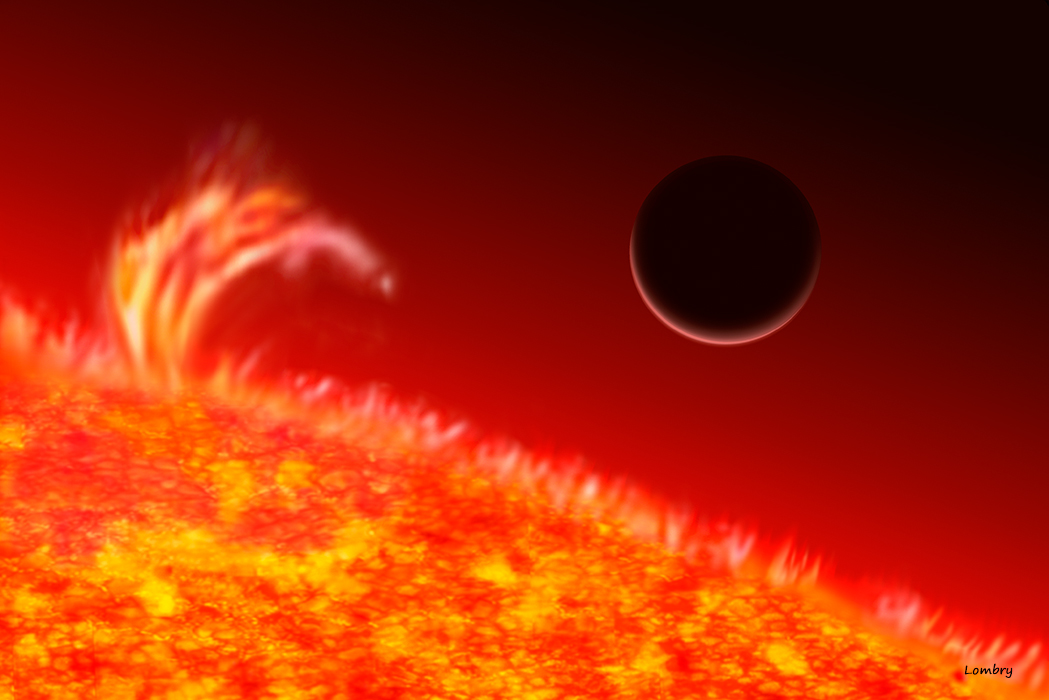
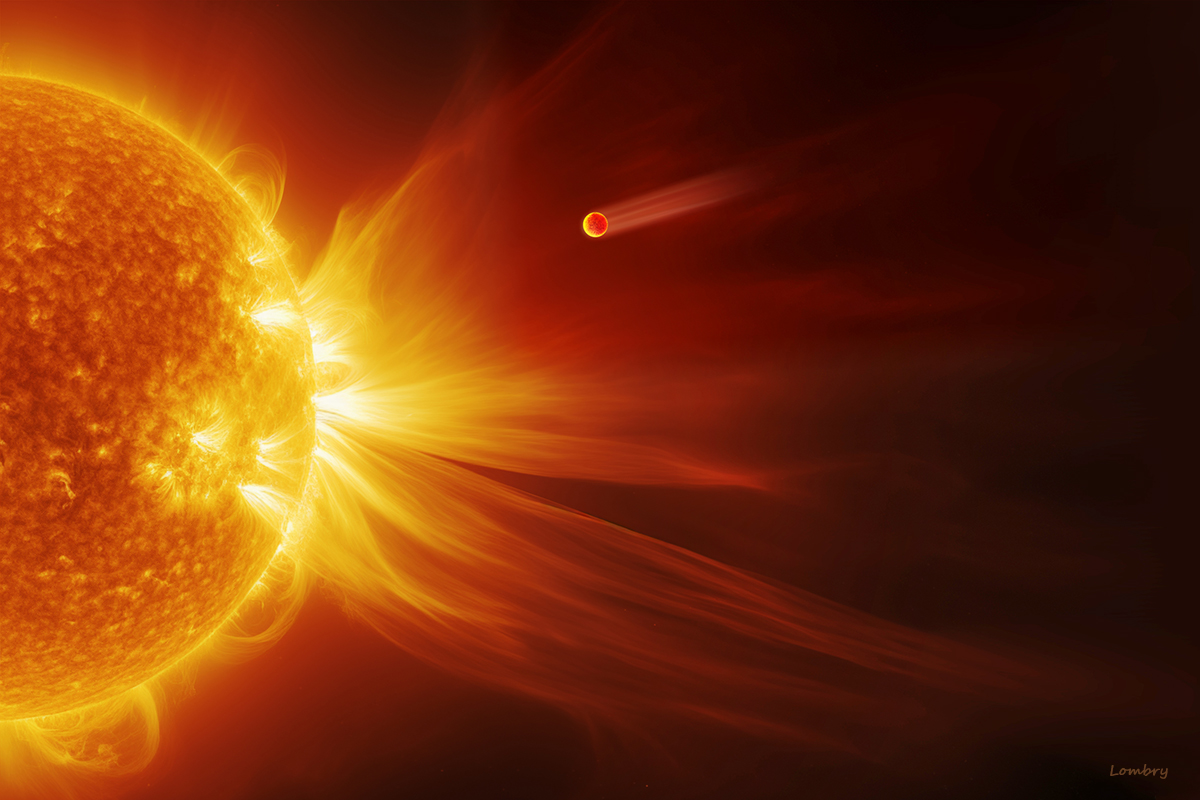
The first exoplanet ever discovered. A G2 star 1.4 Rs with 1 exoplanet of 0.5J at only 0.05 AU. So close to the sun it should display a faint tail against the dark sky due to the evaporation of its atmosphere.

The first exoplanet ever discovered. A G2 star 1.4 Rs with 1 exoplanet of 0.5J at only 0.05 AU.

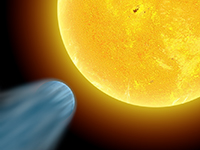
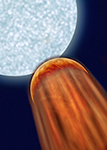
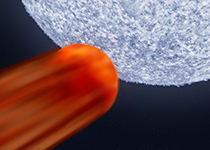
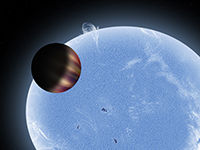
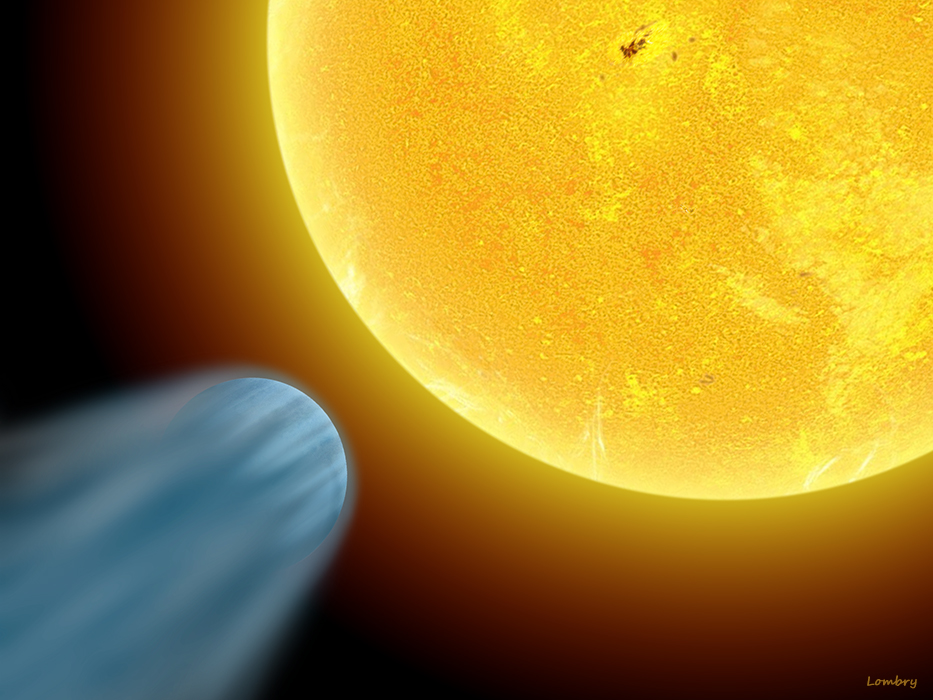
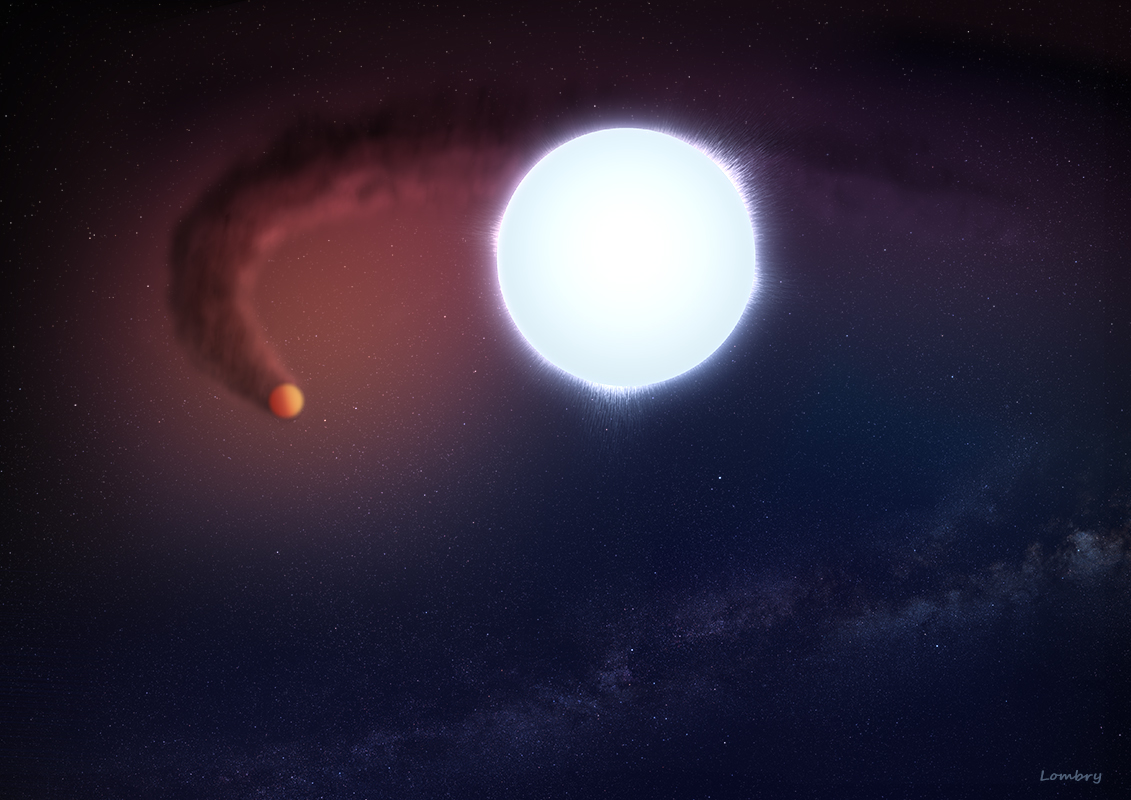
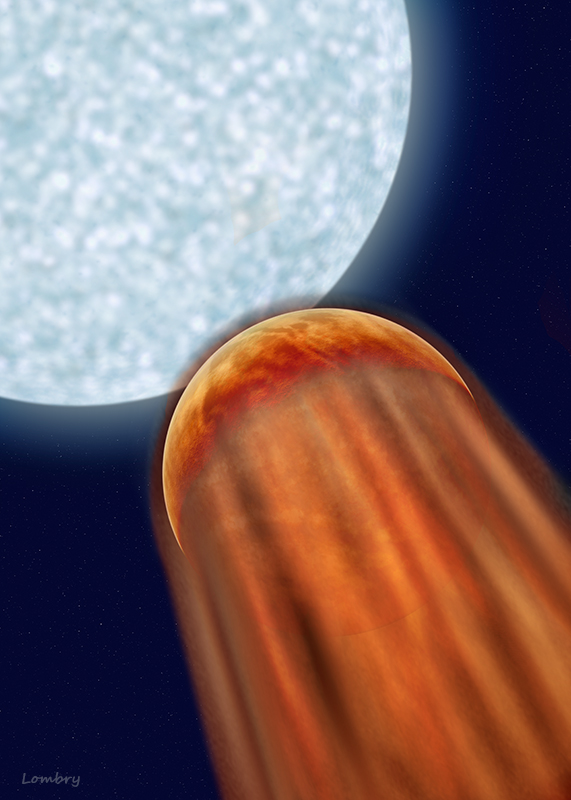
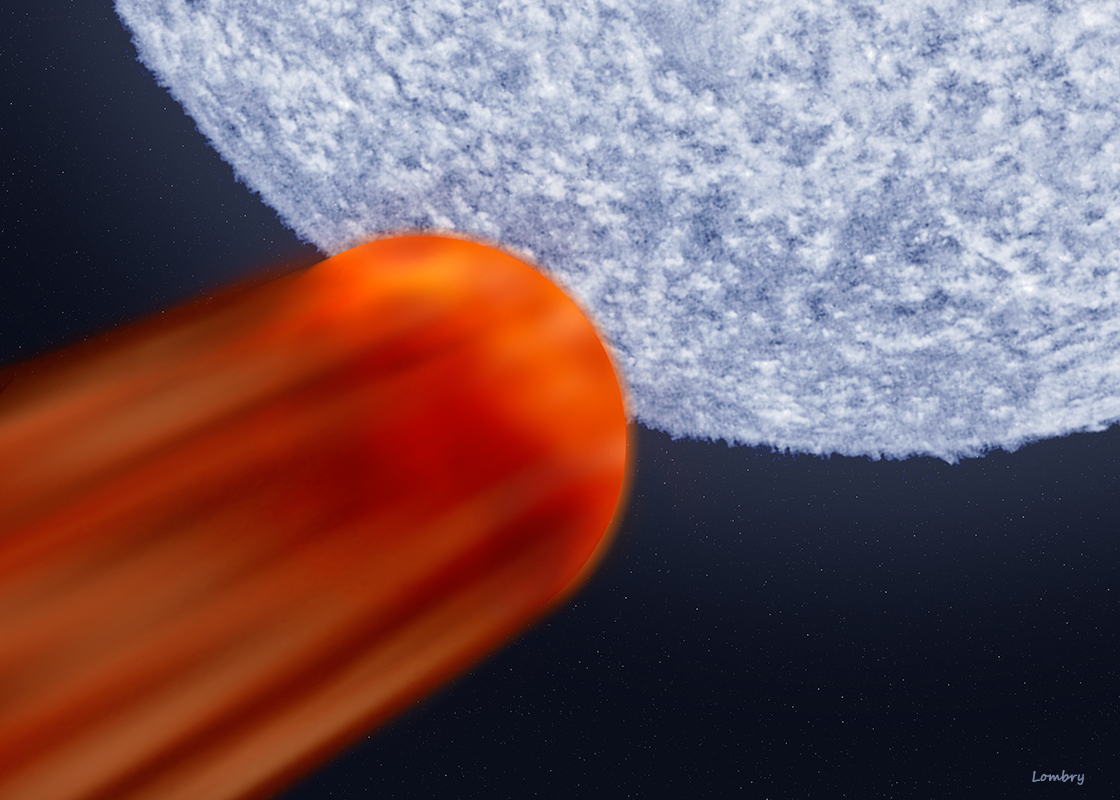
G0 star with 1 exoplanet of 0.7J at 0.045 AU loosing its atmosphere due to the heat (1200°C).

51 Pegasi Evaporating

51 Pegasi

Osiris, HD 209458B Pegasi

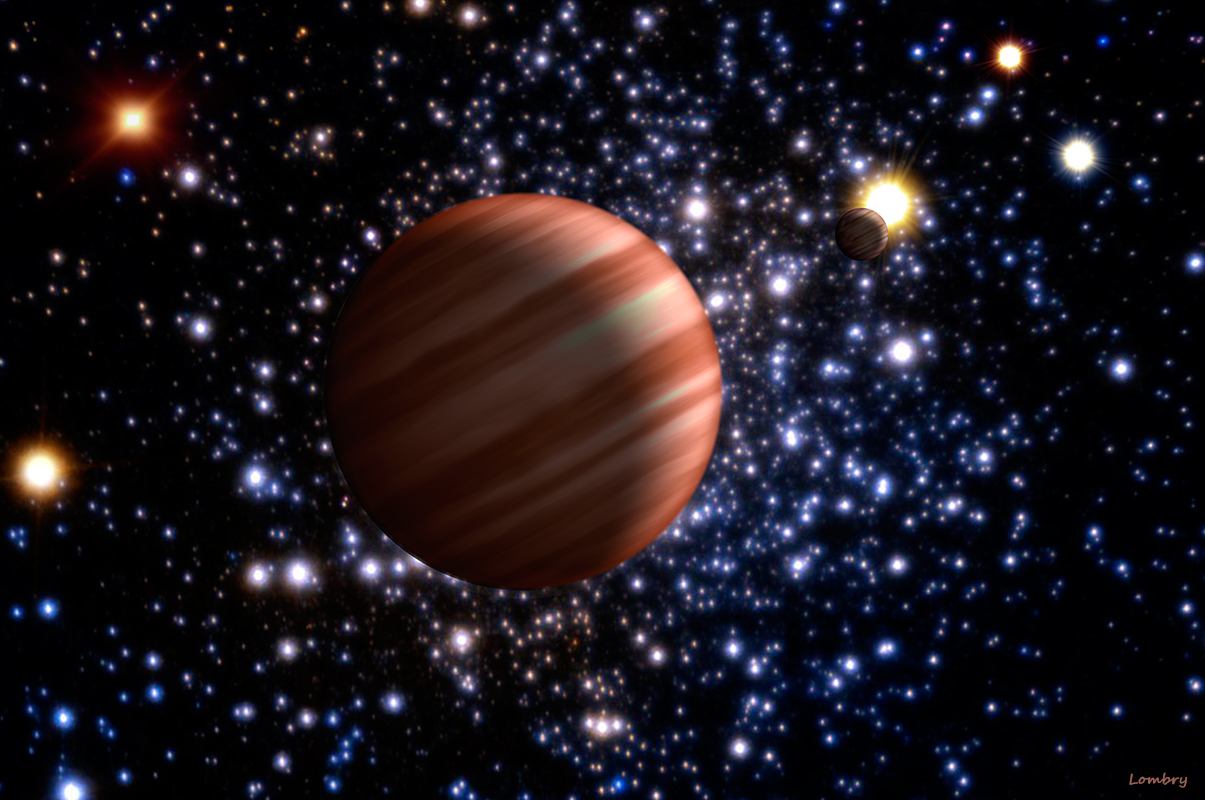
Binary pulsar associated with a white dwarf star of 0.34 Ms at 1 UA, 1 exoplanet 2.5J at 23 AU, system located in global cluster M4 at 7200 l.y.

Binary pulsar associated with a white dwarf star of 0.34 Ms at 1 UA, 1 exoplanet 2.5J at 23 AU, system located in global cluster M4 at 7200 l.y.

Binary pulsar associated with a white dwarf star of 0.34 Ms at 1 UA, 1 exoplanet 2.5J at 23 AU, system located in global cluster M4 at 7200 l.y.

Methulselah, alias PSR B1620-26 Scorpii

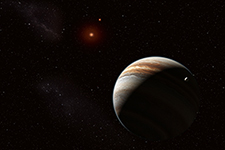
K2 dwarf star 0.8 Rs with 2 exoplanets: 0.9J at 3.3 AU, 0.1J at 40AU and an asteroid belt at 30 AU (KBO).

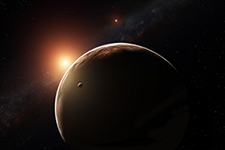
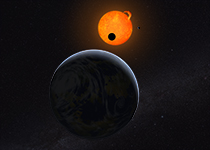
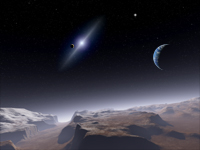
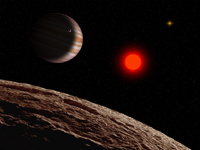
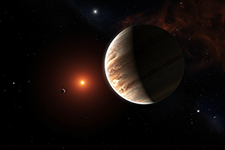
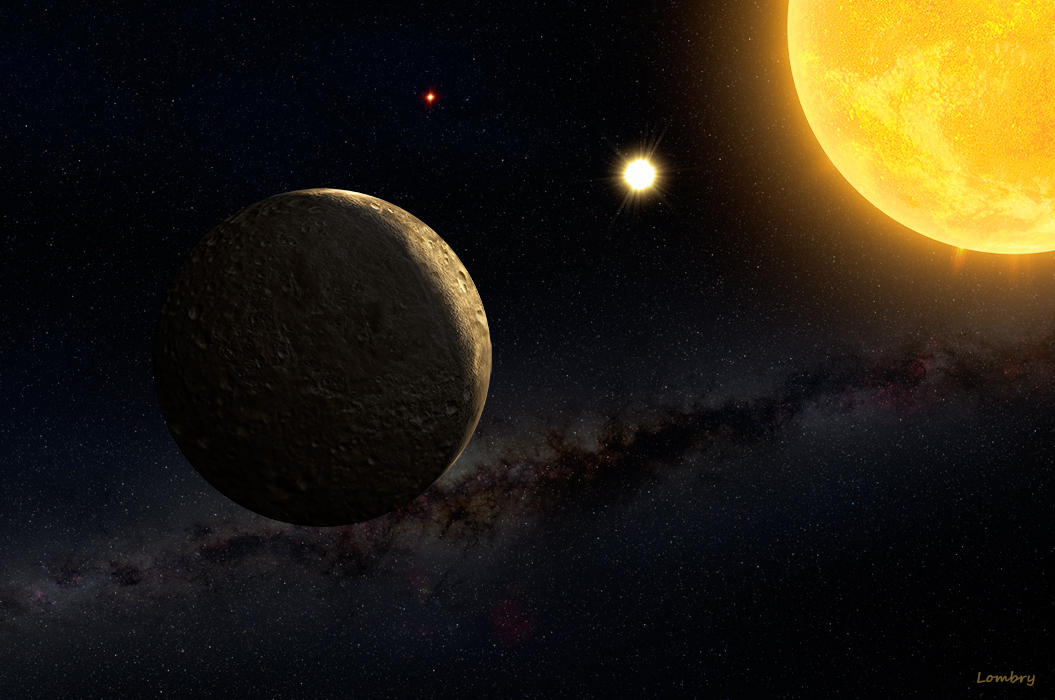
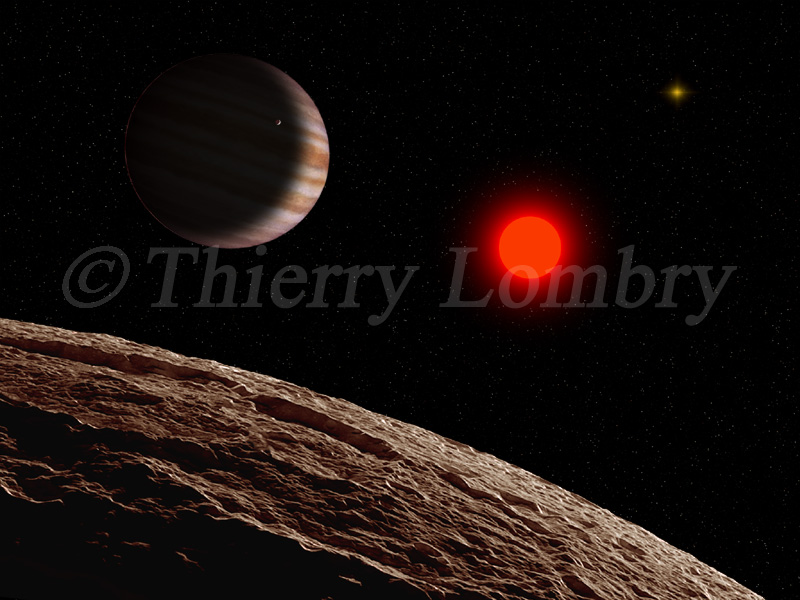
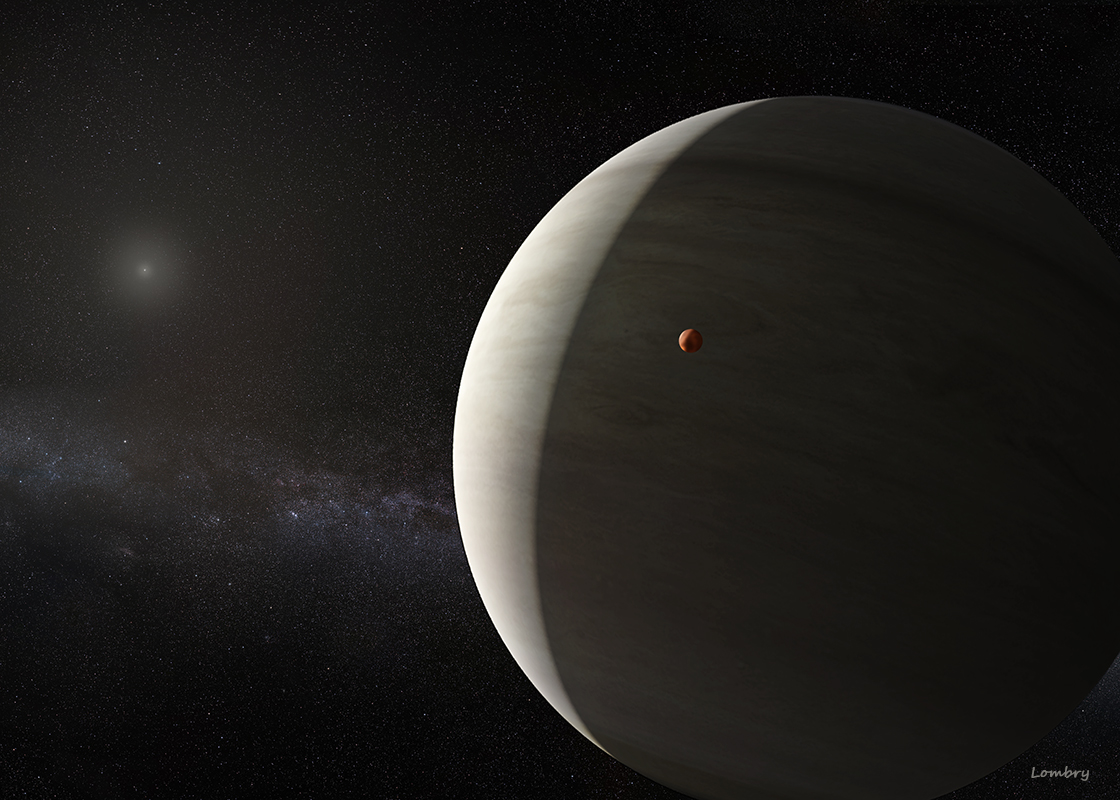
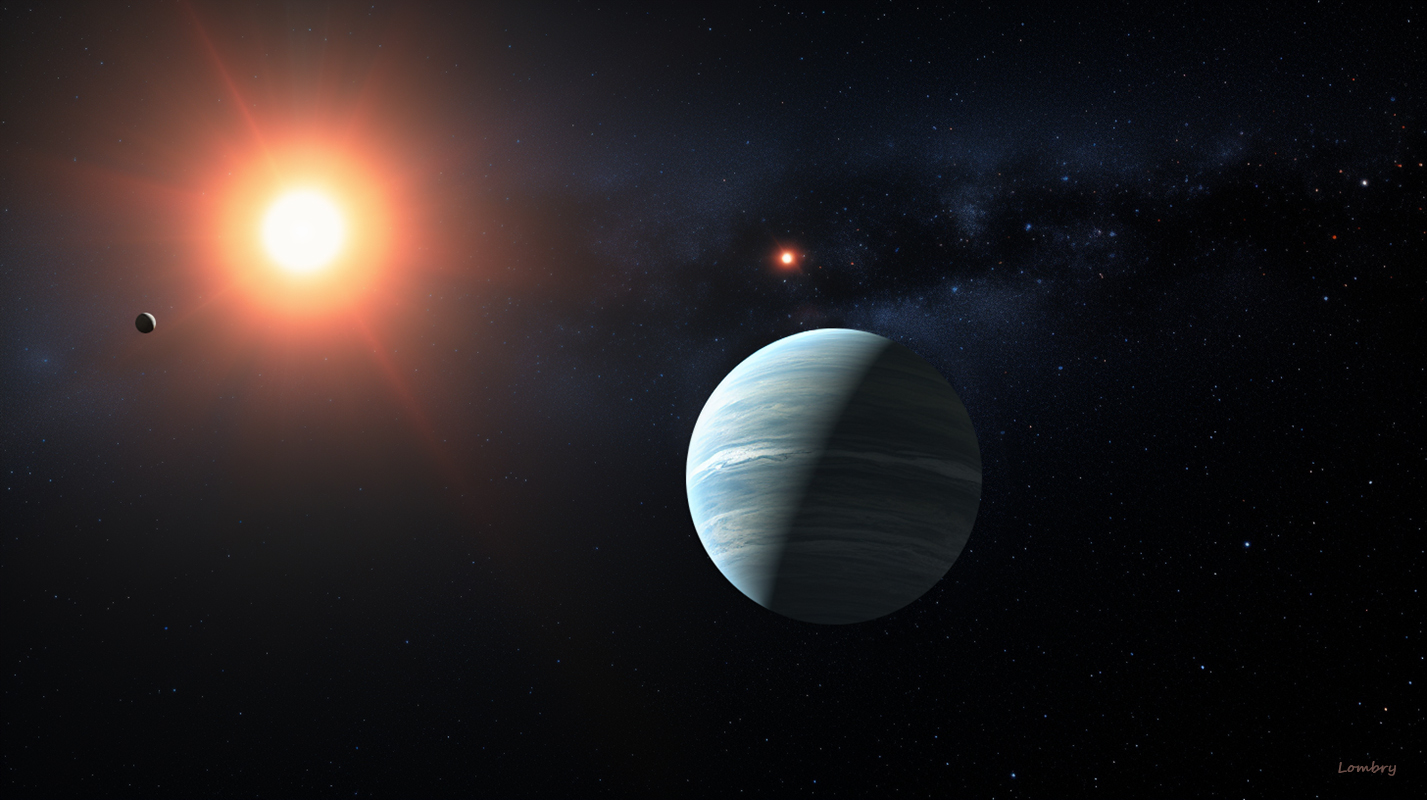
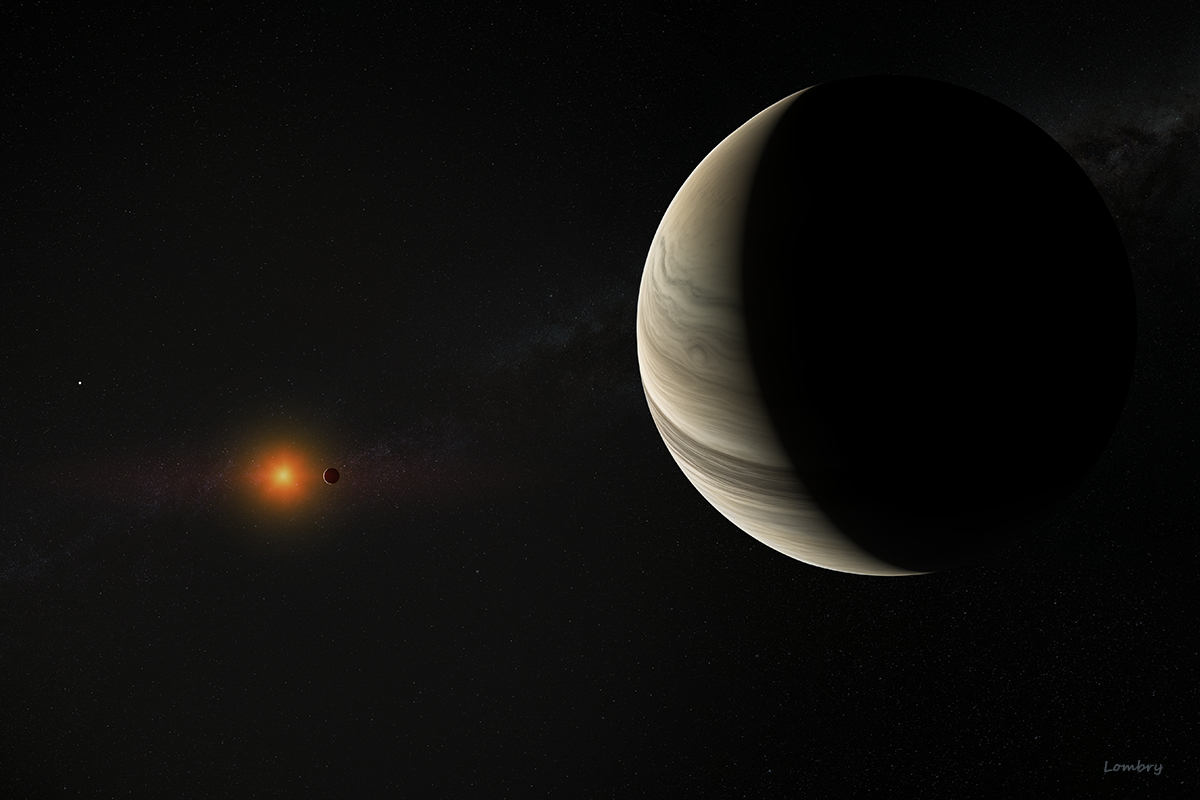
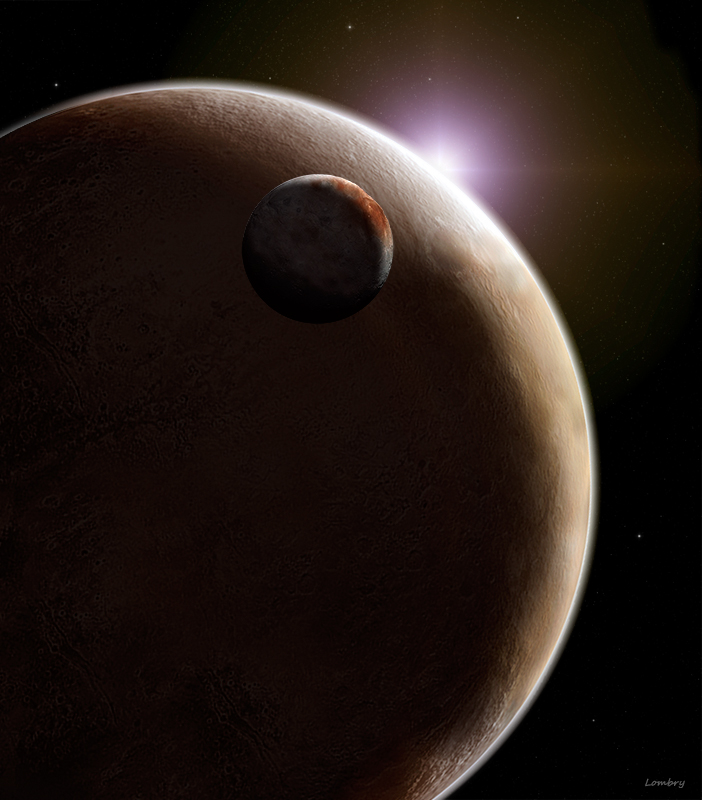
Red dwarf star and a 17 J object at 200 AU (exoplanet or another red dwarf). The small moon displayed is speculative

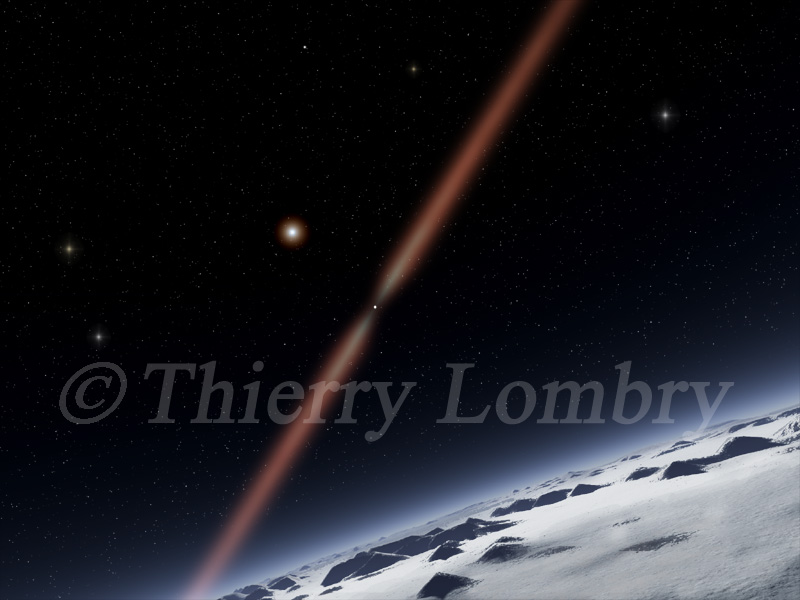
Pulsar with 4 exoplanets: 0.02x Earth at 0.1 AU, 4x Earth at 0.4 AU, 3 earth at 0.5 AU, 0.0004x Earth at 2.7 AU.

Epsilon Eridani

CHXR 73B Cham

PSR 1257+12 Virgo

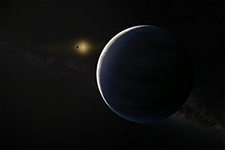
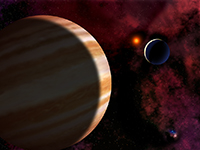
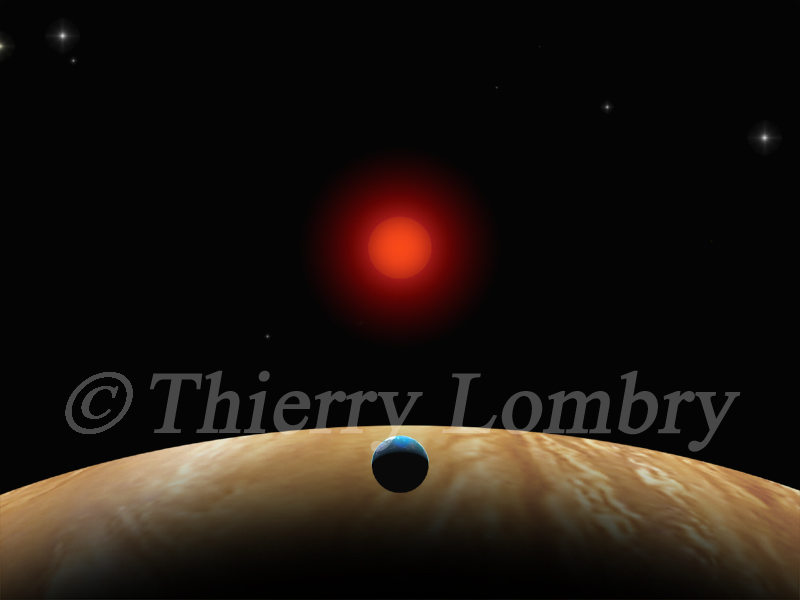
Host star red dwarf, exoplanet of 2.6 J, star located at 19000 l.y in Sagittarius

Host star red dwarf, exoplanet of 2.6 J, star located at 19000 l.y in Sagittarius

Host star red dwarf, exoplanet of 2.6 J, star located at 19000 l.y in Sagittarius

OGLE-2003-BLG-235Lb in Sagittarius

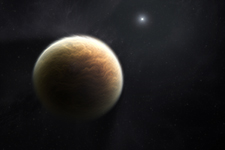
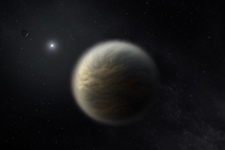
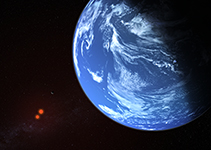
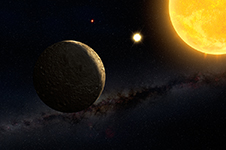
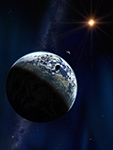
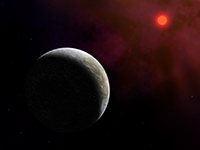
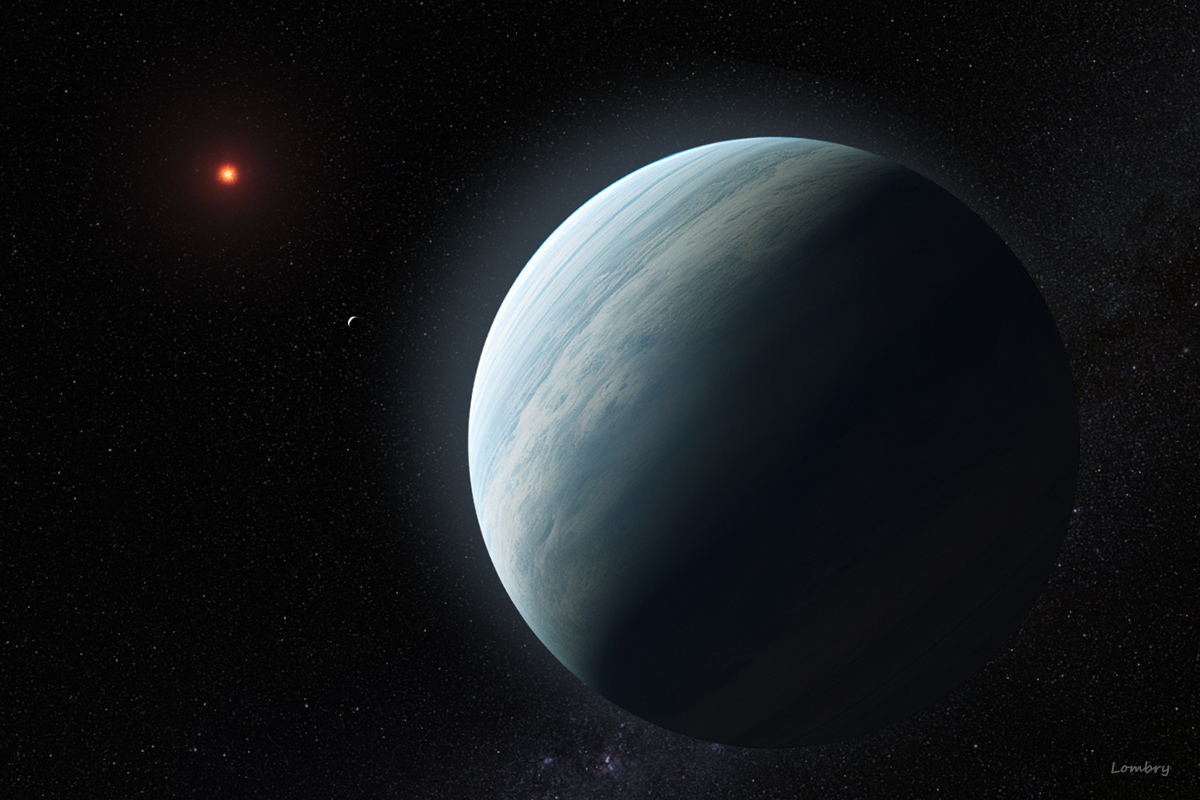
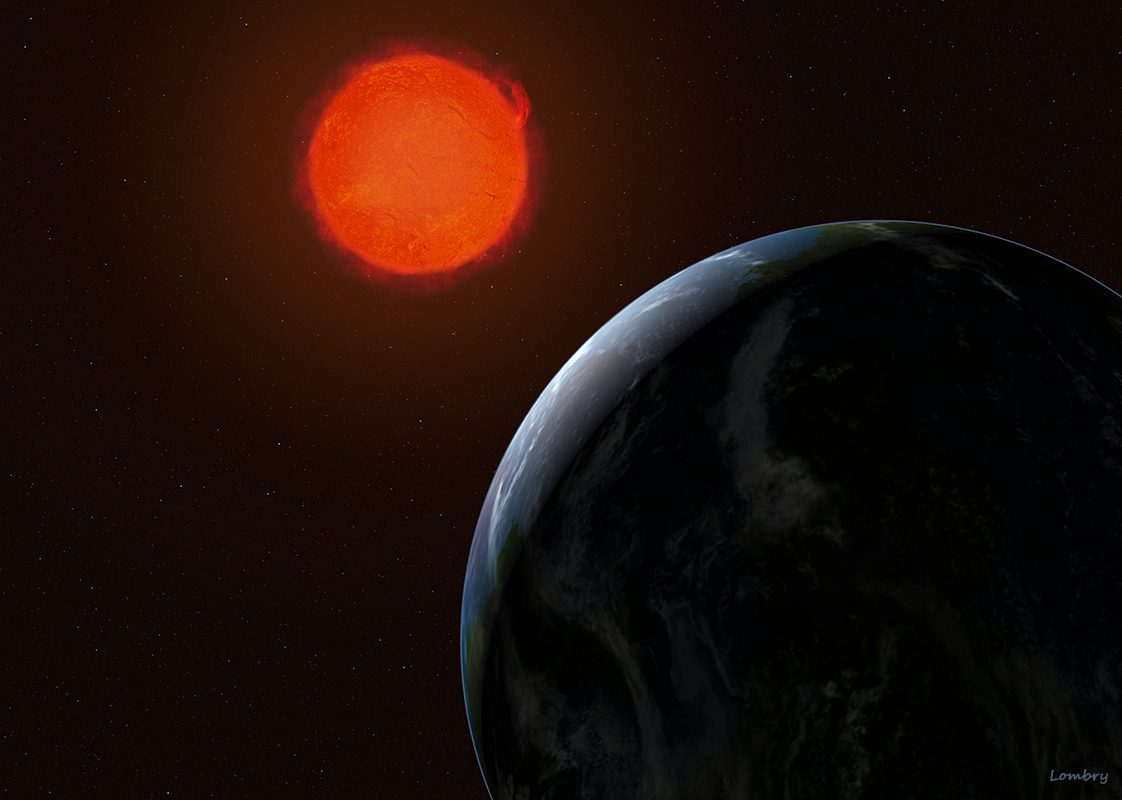
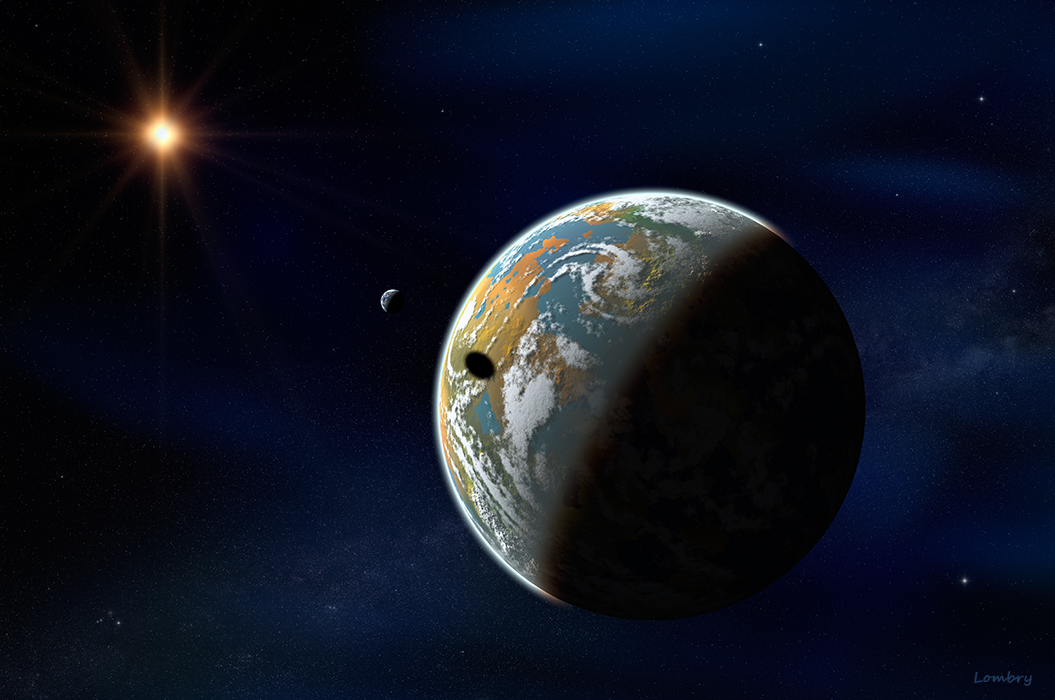
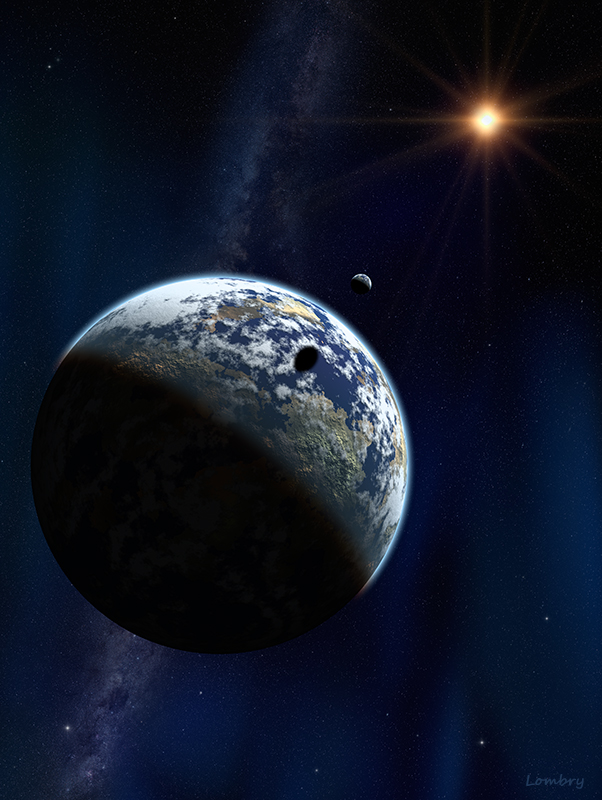
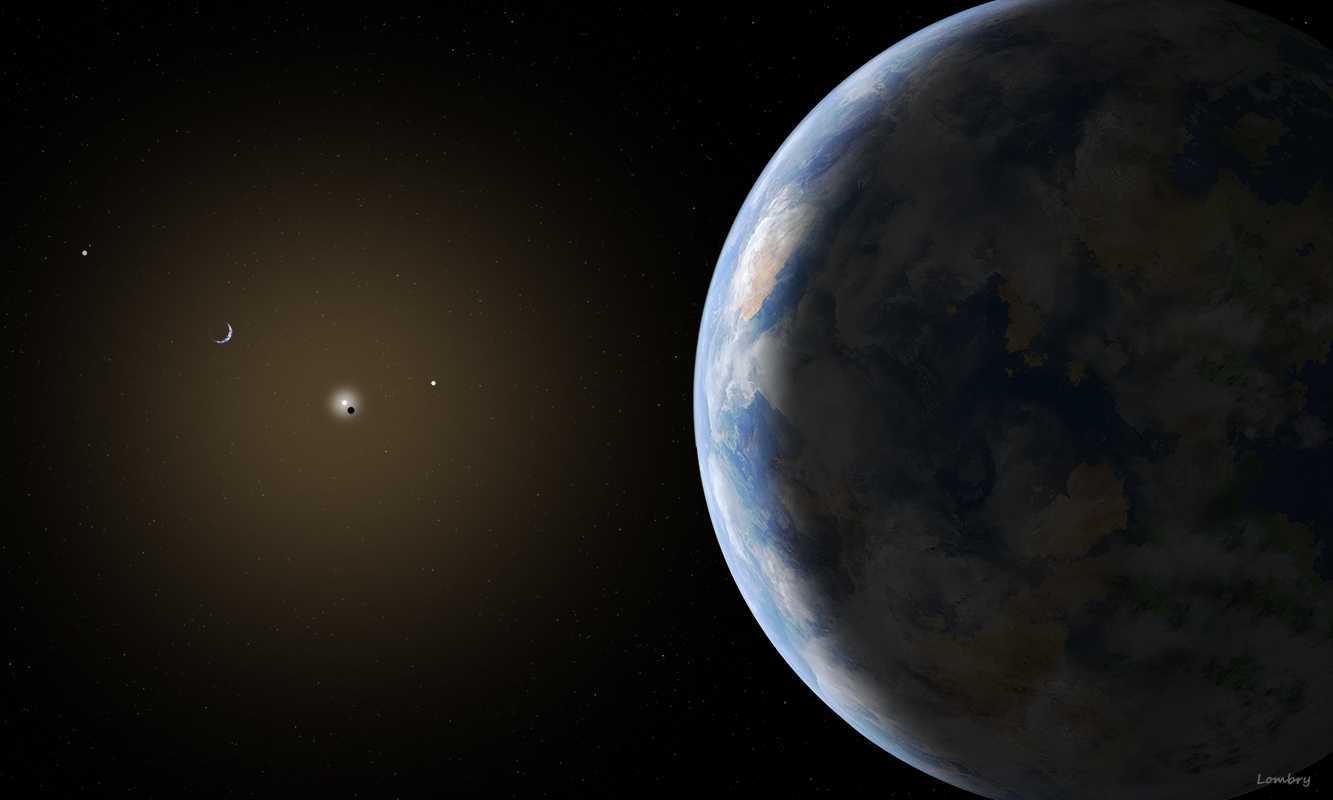
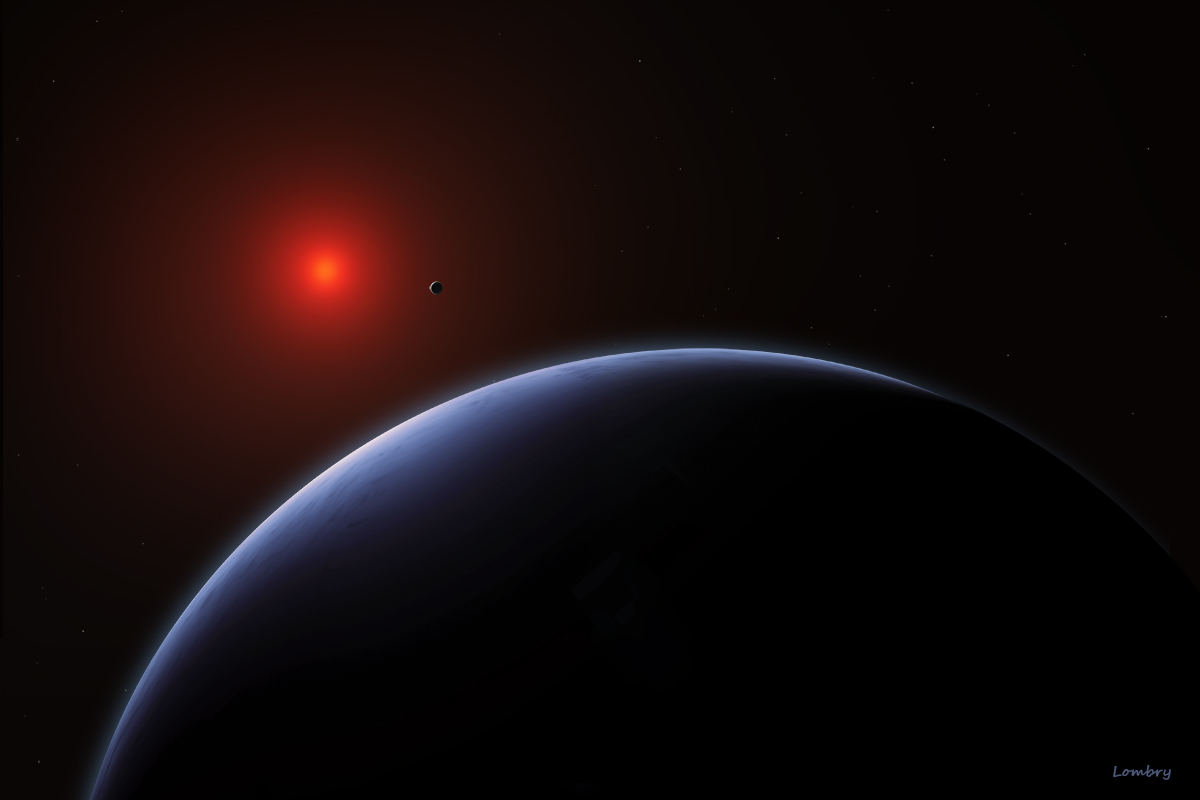
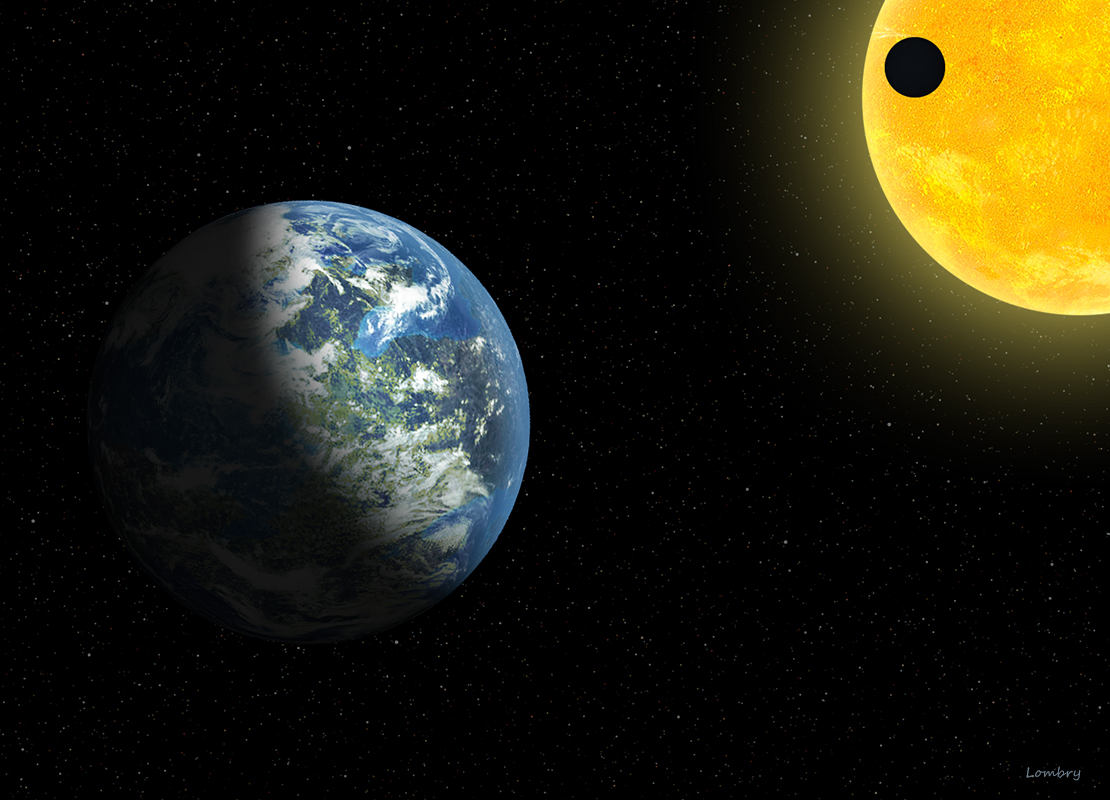
First "small" and rocky/icy exoplanet discovered, 5.5 earth masses orbiting at 3 AU of a M-class red dwarf of 0.2 Ms. This exoplanet could have had oceans billions years ago.

First "small" and presumably rocky/icy exoplanet discovered, 5.5 earth masses orbiting at 3 AU of a M-class red dwarf of 0.2 Ms. This exoplanet could have had oceans billions years ago.

First "small" and presumably rocky/icy exoplanet discovered, 5.5 earth masses orbiting at 3 AU of a M-class red dwarf of 0.2 Ms. This exoplanet could have had oceans billions years ago.

OGLE-2005-BLG-390Lb

On the Night Side

City Lights

Origins

Space missions


Lightnings on Venus


Venus Express mission

Venus Express mission

Venus Entry Probe mission

Venus Express 2005-2007

Venus Express

Venus Entry Probe

The New Horizons mission : Pluto and the Kuiper Belt

Venus Express mission. Sunny spells.

New Horizon Mission to Pluto.

Pluto New Horizons 2015

Sunny Spells on Venus

New Horizons Mission

Messenger mission

Messenger En Route to Mercury

Deep Impact, 4 July 2005

Mission Messenger, 2011

Monitoring of ice tichkness at North pole.

North Pole Watch

Keyhole Scrutating Argentina

MetOp in Orbit

Cassini hovering over Saturn rings

Exploring asteroid Toutanis.

Moonbase, 2020

Cassini Mission, 2005

Exploring Asteroid Toutatis

Rendezvous over Mars (MGS spaceprobe and Phobos).

Rising of Saturn on Titan

In Quest of Life

Rendezvous with MGS

Rising of the Ringed Planet

Solar System

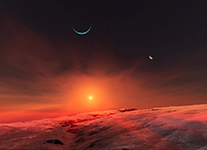
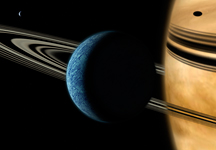
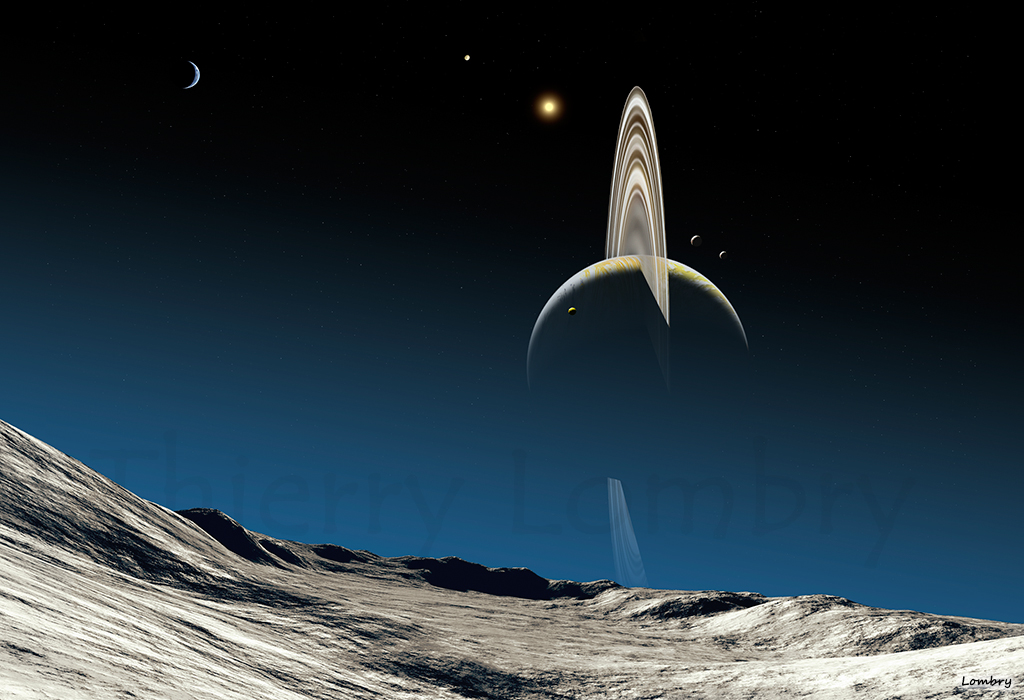
  Saturn appearing during a sunny spell on Titan. Saturn is at 1.2 million km or 20.3 Rs from Titan..  
 

Sunny Spell on Titan


The icy and cratered surface of Eris and its small moon Dysnomia. This dwarf planet was for a while considered as the 10th planet and temporary named Xena.

The icy and cratered surface of Eris and its small moon Dysnomia. This dwarf planet was for a while considered as the 10th planet and temporary named Xena.

The icy and cratered surface of Eris and its small moon Dysnomia. This dwarf planet was for a while considered as the 10th planet and temporary named Xena.

Three views of the dwarf planet Eris (2003 UB313, ex Xena) and its moon Dysnomia

Icy and dusty Pluto landscape with its 3 moons.

Pluto and Charon.

Icy Pluto landscape with its 3 moons close to conjunction.

Pluto and its three moons

Pluto and Charon

On Pluto

Saturn and Titan

Close up on Sedna, a Kuiper Belt Object (KBO)

General view of Neptune and its main moons, Triton and Nereid.

Saturn and Titan

Sedna, KBO

Neptune, Triton and Nereid

Miscellaneous


SETI


Signs of Life

Allegory of Big Bang

Big Bang Blue

Space Trip

Big Bang

Quasar surrounded with a tilted accretion disk.

Desintegration

Quasar Space Station

Migration

Alien Twilight

Extraterrestrial Macroentity

Conjunctions

Close Encounter

Radioastronomy

ETA in Insertion Orbit

Droits de reproductions réservés - Reproduction rights reserved.

Retour à l'Art - Back to Digital Darkroom


Back to:

HOME

Copyright & FAQ